Curling is not one problem. It is a shape, and the shape changes depending on what is happening underneath the shingle. A homeowner in Bellevue walking the yard after a wet winter might notice shingles turning up at the edges, or lifting in the middle of the field, and assume the roof is simply old. Sometimes it is. Sometimes it is something more specific, tied to how the shingle mat has been drying, wetting, and flexing for years under the marine climate that defines this part of the Eastside.
Cupping Versus Clawing Defined
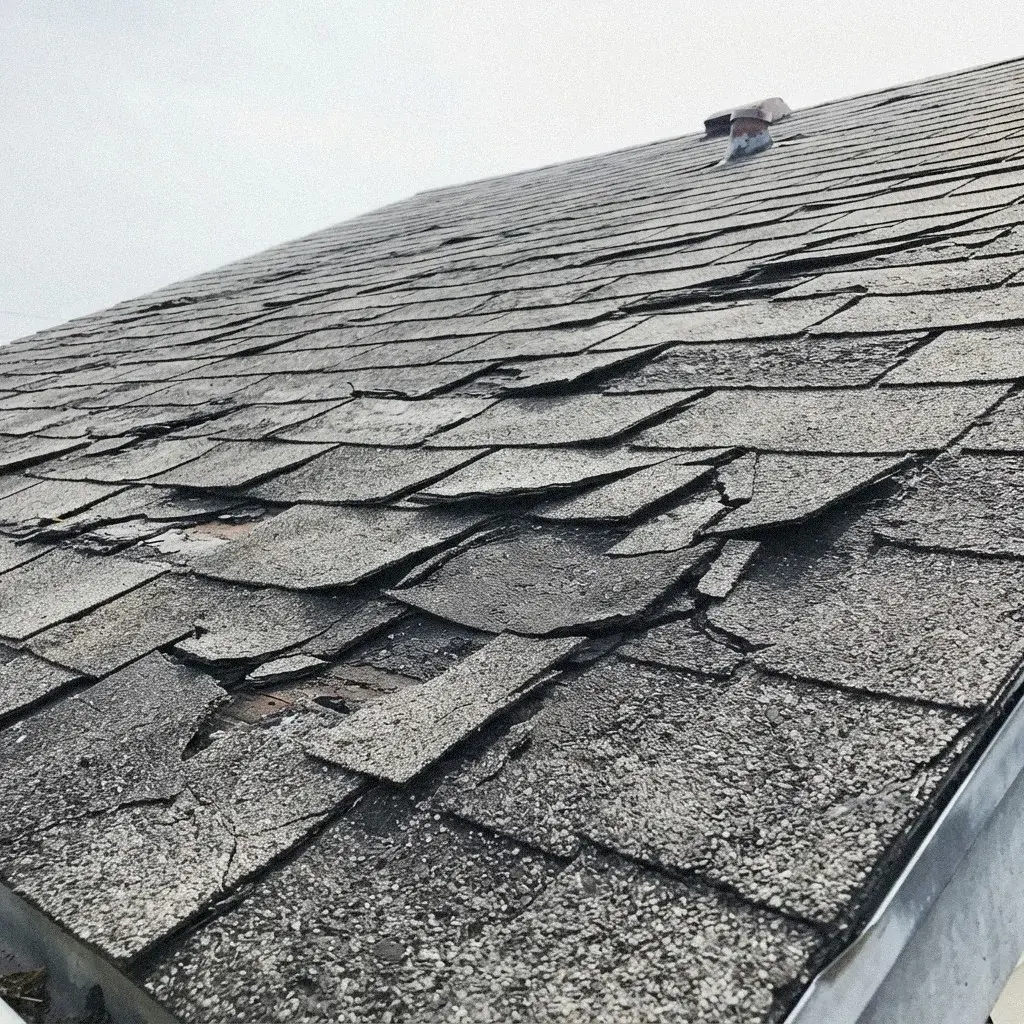
Cupping is when the edges of a shingle turn upward while the center stays relatively flat, leaving a shallow bowl shape you can see edge-on from the ground. Clawing is different: the edges stay down while the surface twists or buckles unevenly, often at random spots across the same shingle. Roofers use these two words because they trace back to different mechanisms. Cupping usually comes from moisture and heat acting on the shingle from below. Clawing more often points to advanced age and a mat that has simply lost flexibility.
What Cupping Usually Means
Cupped shingles are commonly a sign of moisture from below rather than weather from above. Attic heat and trapped humidity can bake the underside of a shingle mat over repeated cycles, especially where attic ventilation is uneven across a roof plane. In Bellevue, homes shaded by Douglas fir or western red cedar canopy near neighborhoods like Bridle Trails or Somerset can hold moisture longer than open lots, which stresses the shingle from underneath long before the top surface shows obvious wear.
What Clawing Usually Means
Clawing tends to show up later in a shingle's life than cupping does. It reflects a shingle mat that has gone through enough thermal cycling, the repeated expansion and contraction from warm days and cool nights, that the asphalt has lost its original pliability. Brittleness follows. A three-tab shingle nearing the end of its exposure life often claws before it cracks outright, and once a roof is clawing broadly rather than in one isolated area, it is usually describing the whole mat's condition, not a local defect.
Edge Lift As A Separate Pattern
Edge lift is narrower than cupping. It shows up specifically at the perimeter of a shingle, often where the sealant strip has failed to bond or has broken its bond after years of wind and thermal movement. Bellevue's winter windstorms off the Pacific put repeated flexing stress on perimeter shingles, and a sealant strip that never sealed properly, or one installed during a cooler stretch of the reroof window, is a common starting point. Edge lift on its own does not necessarily mean the field of the roof has failed.
Field Lift And What It Suggests
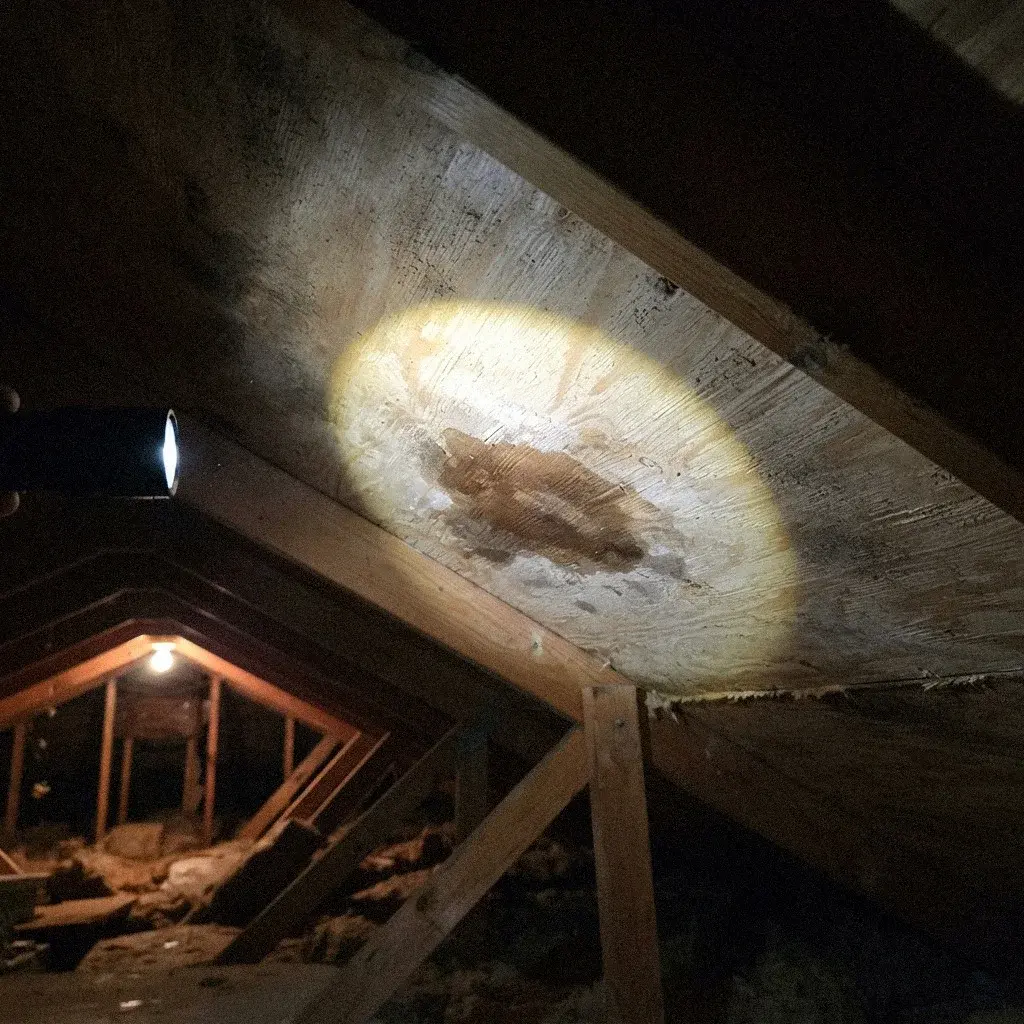
Field lift refers to curling that shows up away from the edges, across the open expanse of a roof slope. This pattern more often ties back to what is happening in the attic below rather than wind acting on the shingle's edge. Uneven attic heat, blocked soffit intake, or moisture migrating up from living space into a cool, humid attic can stress a broad section of shingle uniformly. Field lift spread across a whole slope, rather than confined to eaves or hips, points inward to the house rather than outward to the weather.
Layering And Curl Together
A roof with a layover, meaning a second layer of shingles installed over an existing one, curls differently than a single-layer roof. The added mass and altered airspace can change how heat and moisture move through the assembly, and older layover jobs on homes converted from cedar shake sometimes show curling patterns that do not match either mat's expected age. If a roof has been layered once already, that history matters when reading what a curling pattern is trying to say, since it changes the baseline the shingle is reacting from.
Reading Curl By Roof Age
Early curling, showing up well before a shingle mat's expected exposure life is used up, usually points to a specific cause: trapped moisture, a ventilation imbalance, or a manufacturing or installation issue with the sealant strip. Late curling, appearing near the end of a mat's normal service life, is more often just the asphalt running out of flexibility on schedule. The distinction matters because early curling is diagnostic of something fixable, while late curling is closer to a roof simply aging the way asphalt composition shingle is expected to age.
Architectural Versus Three-Tab Patterns
Architectural shingles, with their heavier laminated construction, tend to resist cupping longer than three-tab shingles because the extra layer adds stiffness against the mat curling upward. When an architectural shingle does curl, it is more likely to claw at the tab edges than cup broadly across the shingle, since the lamination fights the smooth bowl shape that a lighter three-tab mat forms more easily. Knowing which shingle type is on a roof changes what a given curl pattern is likely to mean.
Where Shade And Moss Fit In
Moss holding water against a shingle surface, common on shaded lots near Lake Sammamish or the Mercer Slough Nature Park's tree line, keeps a shingle wetter longer than an open, sun-exposed slope. That prolonged wetting can accelerate cupping independent of anything happening in the attic. A curling pattern that concentrates under a mossy patch or beneath overhanging branches is often telling a moisture story from above, layered on top of whatever is happening below the shingle from attic conditions.
When Curl Signals A Bigger Issue
Curling that is isolated, confined to one slope or one section near a valley or flashing, usually points to a local moisture source: a leak, a clogged valley, or a failed flashing detail nearby. Curling that is uniform across every slope of a Bellevue home, regardless of orientation or shade, points more toward age or a whole-attic ventilation problem than any single leak. The spread of the pattern across the roof is often as informative as the shape of the curl itself.
What To Do With The Pattern
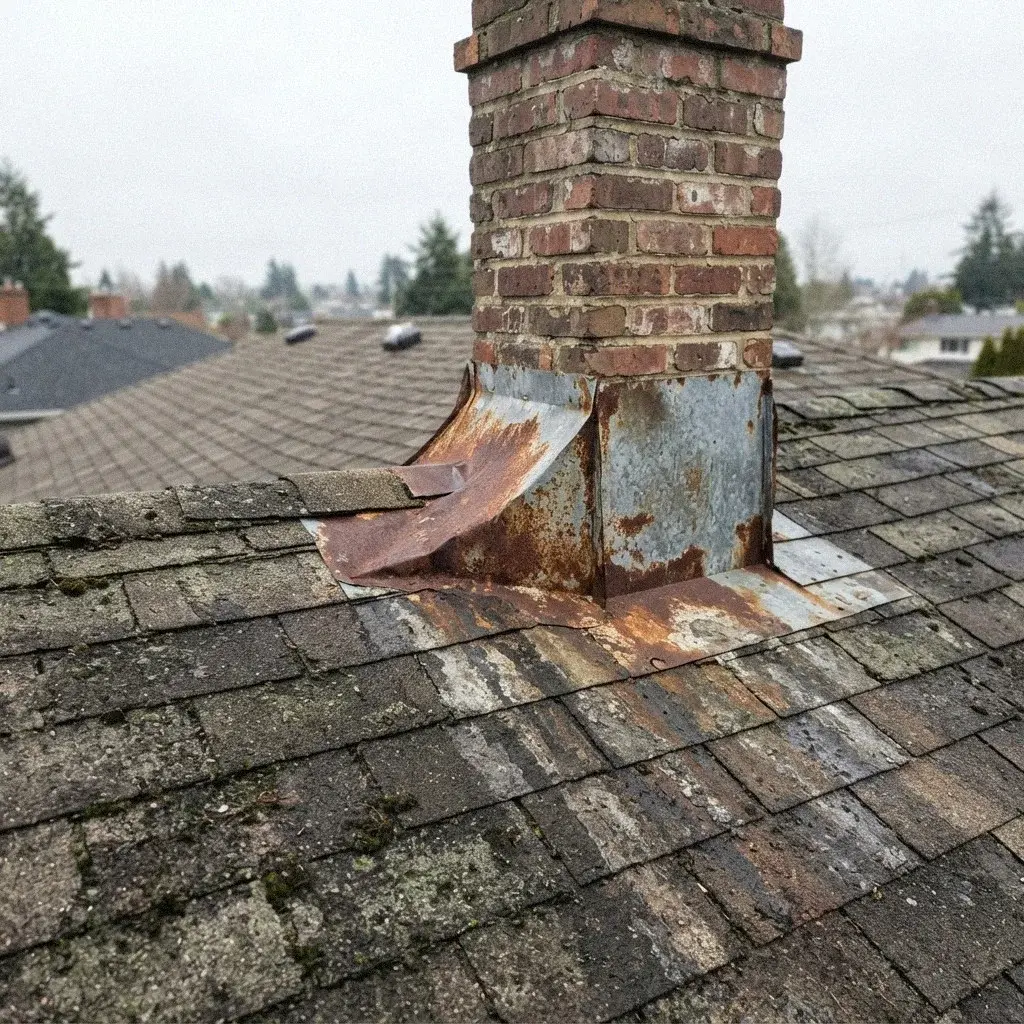
None of this replaces a look up close. Cupping near a ridge, clawing by a chimney, or a soft valley on a Bellevue roof can share one cause or three. Ground-level guesses miss granule loss hidden under moss or a sealant strip that failed only on the shaded slope facing Meydenbauer Bay. Someone who inspects roofs for a living can tell you whether the mat is drying out or drowning, and whether the pattern is isolated or spreading toward the eaves.
Dealing with this in your home?
Bellevue roofs age on their own schedule. Wooded lots near Bridle Trails and Somerset stay shaded long after storms pass, and conifer cover keeps surfaces from ever fully drying between fronts. Add a reroof window that tightens once summer ends, and small maintenance calls turn urgent fast. The sections below sort out timing, materials, and who actually answers for the work overhead.