Materials & Types
Why Bellevue Roofs Age Before Their Time
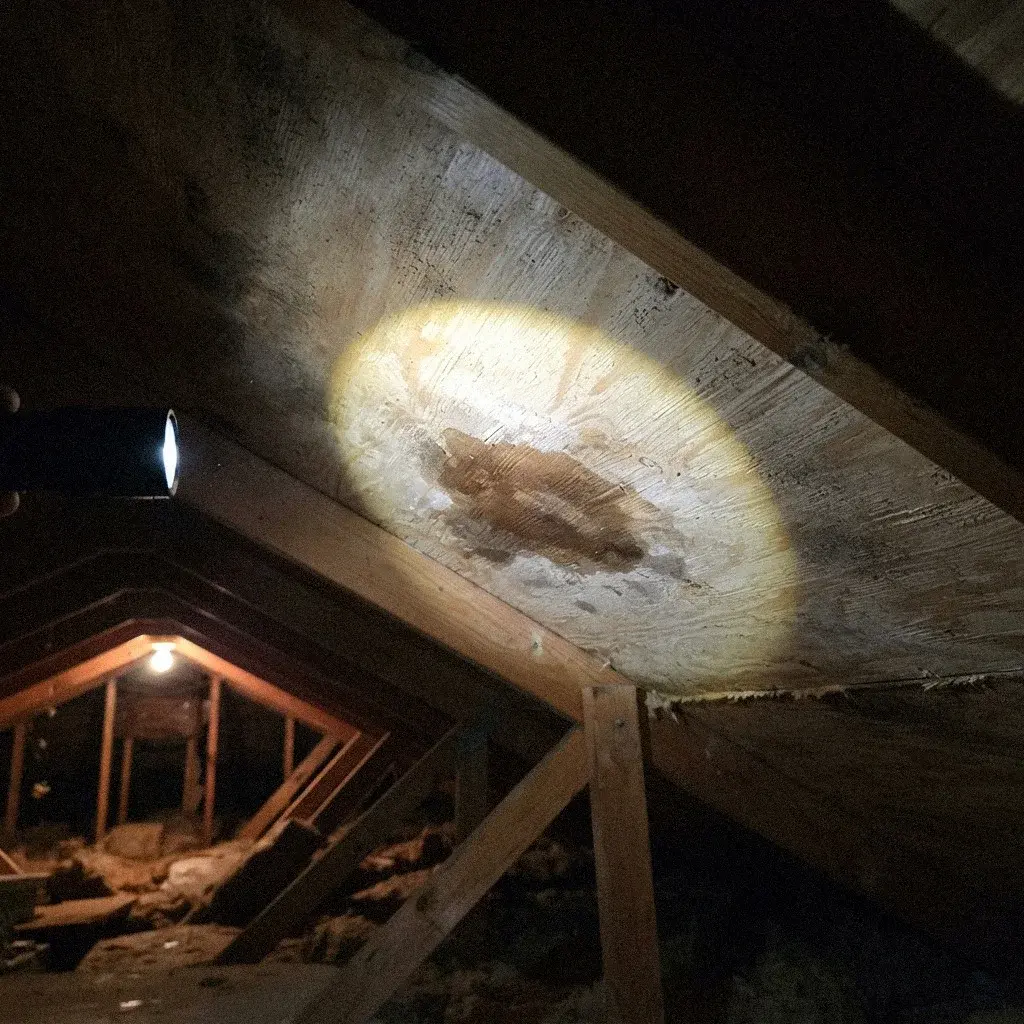
Bellevue roofs rarely fail from one storm. They wear out from months of damp shade, clogged valleys, and weak flashing details that never get a real chance to dry between rains.
Read article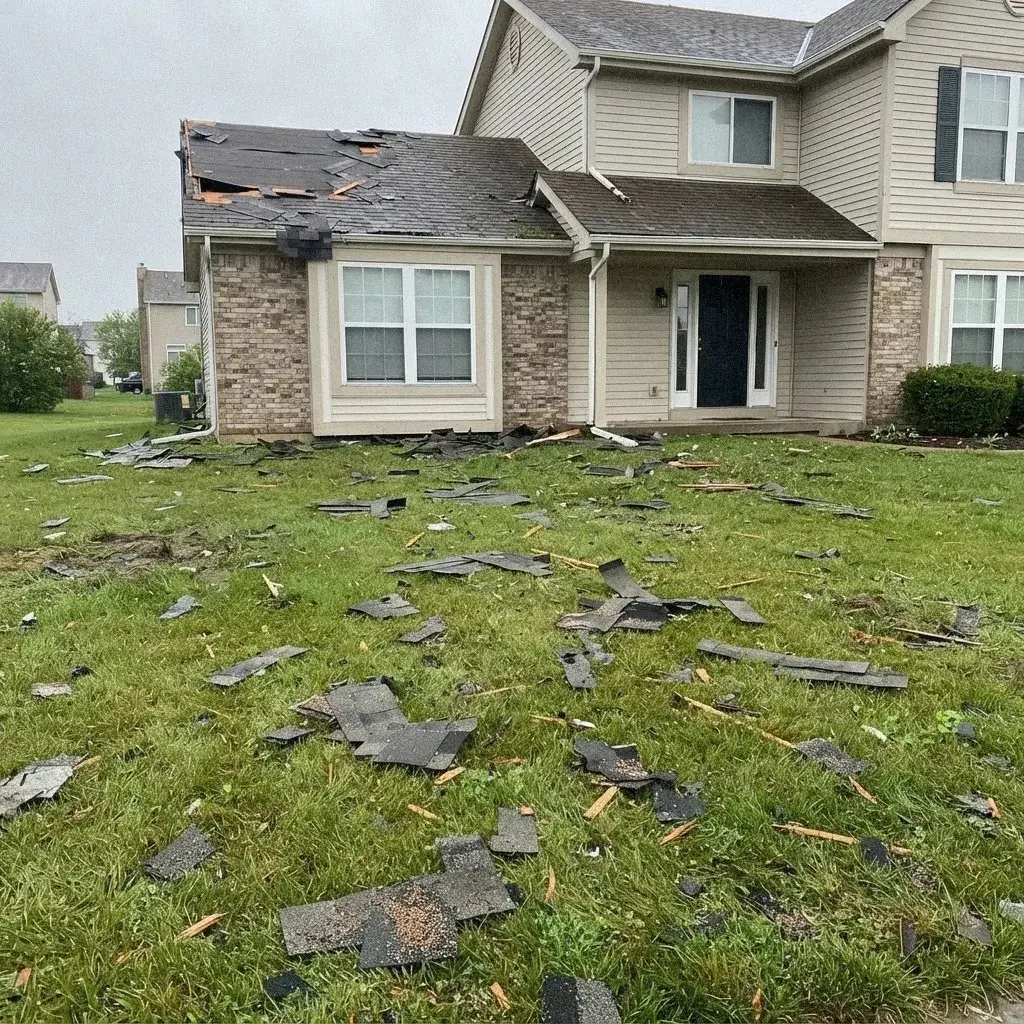
Fast inspection and repair after wind and falling limbs hit your roof.
Across King County, whether you're in Bothell, Lake Hills, Bridle Trails, or elsewhere around Bellevue, storm & wind damage roof repair is worth arranging with somebody who works on this housing stock rather than a generic plan. Foundation type, soil and building age all change what has to happen first.
Houses and businesses both get this treatment, but the scheduling differs. Compare residential roofing with commercial roofing and pick whichever fits the property.
After a windstorm off the Pacific moves through Bellevue, walk the yard first. Look for blown-off shingles in the grass or against the fence, creased shingles that folded rather than lifted clean, and lifted tabs along exposed edges facing the wind. Wind uplift tends to start at ridges and eaves before working into the field of the roof, so a shingle on the ground near Kelsey Creek Park or Robinswood Community Park is worth walking the roofline for, not just picking up.
Fallen limbs are the more common wind damage around Bellevue, given the fir and cedar cover near Bridle Trails and Cougar Mountain. A limb strike can leave a clean puncture, a cracked shingle field, or a damaged ridge cap where the impact caught the roof's high point. Granule loss around any impact damage exposes bare asphalt fast, so even a glancing hit is worth a closer look before the next rain moves through.
From the ground, check gutters and downspouts near the eaves for a run of granules that washed down after impact damage, and look at valleys and flashing around chimneys or skylights for anything bent or pulled loose. A pro looking from a ladder can spot creased shingles, a lifted tab that didn't tear off, or a cracked ridge cap that reads as fine from the driveway but is already letting water track under the layer below.
A call to walk through what you're seeing and when the storm hit, so the inspection is scheduled with the right urgency.
An on-site storm inspection covering the whole roof, not just the obvious spot, checking ridges, valleys, flashing, and any area near a fallen limb.
Debris removal and photo documentation of the damage as found, before any repair work changes what the roof looked like after the storm.
Repair of the damaged section, from a torn flashing or blown-off shingles to a punctured deck, matched to what the inspection actually found.
Bellevue's roofs face wind off the Pacific in fall and winter, not hail. The real threat is a limb or a whole tree coming down from the canopy that shades lots near Bridle Trails and Cougar Mountain, or gusts that lift a weak edge and crease shingles or tear a tab loose. A cracked ridge cap or a torn flashing left through one more storm turns into a soaked attic. Fast eyes on the roof matter more than the size of the wind.
Debris removal comes first on any storm call in Bellevue, whether the limb landed near Enatai Beach Park or in a backyard off Coal Creek Parkway. The pros we connect you with clear what's on the roof before assessing what's under it, since a resting limb can hide a puncture or torn flashing until it's moved. Nothing gets repaired underneath debris that's still shifting the load or blocking a clear look at the deck.
Photo documentation happens before anything is repaired, recording blown-off shingles, torn flashing, punctures, and any damaged ridge cap as found. This is separate from the insurance claim and adjuster process, which is handled elsewhere. The pros we connect you with take the photos and note the extent of the damage so there's a clear record of the roof's condition immediately after the storm, before repair work changes it.
Ballpark pricing for storm & wind damage roof repair around Bellevue. Nothing is charged until you have a written estimate in hand.
| Material Fit | Ventilation Check | Timeline |
|---|---|---|
| A warranty is only as good as the company standing behind it. Manufacturer coverage on shingles is separate from a contractor's labor warranty, and a homeowner should understand which failures each one actually covers before signing anything. | Full tear-off, new decking as needed, flashing, no cleanup upsells | an estimated $630–$7125 |
| Some labor warranties run a year, others several. Ask what happens if a leak shows up in month fourteen. A vague answer here is a preview of how disputes get handled once the crew has already moved to the next job. | Full tear-off, new underlayment and flashing, gutter check; no structural or deck framing repair | an estimated $900–$9750 |
| Material warranties usually require proper installation to stay valid, which means a poor install can void manufacturer coverage even if the shingles themselves were never defective. The labor and the material warranty are tied together whether or not that's spelled out clearly. | Multi-layer tear-off, sheathing swap, new flashing, ridge and valley work | an estimated $1170–$13500 |
| Get the warranty terms in writing before work starts, not after. A verbal promise about coverage carries no weight once there's a disagreement about what failed and why, and by then the crew's memory of what was promised tends to differ from yours. | Whole-roof reroof: tear-off, moss-damaged sheathing swapped, flashing and valleys redone | an estimated $1620–$19500 |
Get lien releases from the general contractor and every subcontractor or supplier before final payment. Paying the main contractor in full does not stop an unpaid supplier from placing a claim against your home afterward.
Within a day or two if you can arrange it, sooner if you can already see lifted tabs or a tarp is needed. Wind off the water moves through Bellevue fast and often loosens more than it tears off outright. A storm inspection catches wind uplift at the ridge and eaves before the next front off the Sound finds the same weak spots and drives water into the deck.
Look for shingles lying in the grass or caught in gutters, tabs standing up instead of lying flat along a slope, and bare patches where granules are missing. Creased shingles are harder to spot from the ground since the mat is bent but still in place. A fallen limb resting on the roofline or a dented vent cap is also worth a second look before the next rain.
Don't climb up to check it yourself. Fallen limbs from the fir and cedar canopy around Wilburton and similar tree-heavy lots can cause punctures or cracked decking that aren't obvious from underneath. Call for a look at the point of impact and the surrounding field of shingles, since a limb strike often creases or lifts material well beyond where it actually landed.
Photo documentation records the roof's condition before anyone touches it, which protects you if a dispute comes up later about what was storm-related versus pre-existing wear. It also gives the crew a clear map of every lifted tab, torn flashing point, and damaged ridge cap section so nothing gets missed once repairs start.
It depends on how long the gap sits open. A handful of blown-off shingles exposes bare underlayment, and Bellevue's wet season doesn't need much time to work water past that into the sheathing. What starts as a patch job over a small area can turn into deck replacement if the exposed spot sits through a few more storms before anyone looks at it.
Both, and flashing is often the more important half. Torn or lifted flashing around chimneys, valleys, and skylights is a common source of leaks after wind, even on a roof that looks mostly intact from the street. An emergency repair that only swaps shingles and skips the flashing tends to leak again at the next storm.
A quote that says 'plus tax' is not the number you'll actually pay, since Washington taxes the full labor and materials contract, not just materials. Ask for an all-in figure before signing anything. The licensed pros we connect you with should be able to break down labor, materials, and tax clearly, with no separate charges added after the fact.
Bellevue roofs wear out through repeated wetting more than any single storm. Long overcast stretches keep surfaces damp, moss takes hold in shaded sections, and small flashing gaps let water travel before anyone sees a stain. The pros we connect you with check valleys, penetrations, and gutter flow, not just the shingles on top.
Bellevue roofs rarely fail from one storm. They wear out from months of damp shade, clogged valleys, and weak flashing details that never get a real chance to dry between rains.
Read article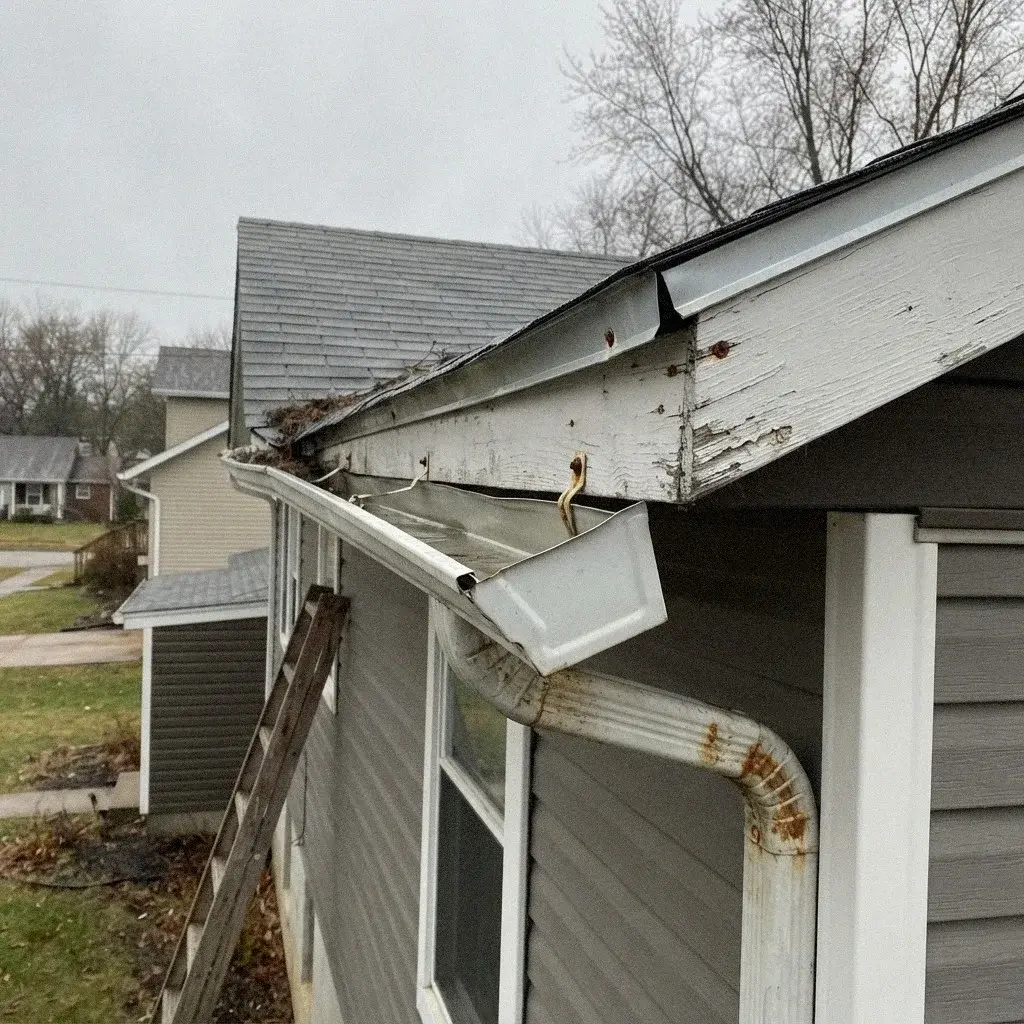
Before the long wet season settles over Bellevue, a roof benefits from a short walkaround done in the right order. This piece lays out what to clear, what to check, and when to book it.
Read article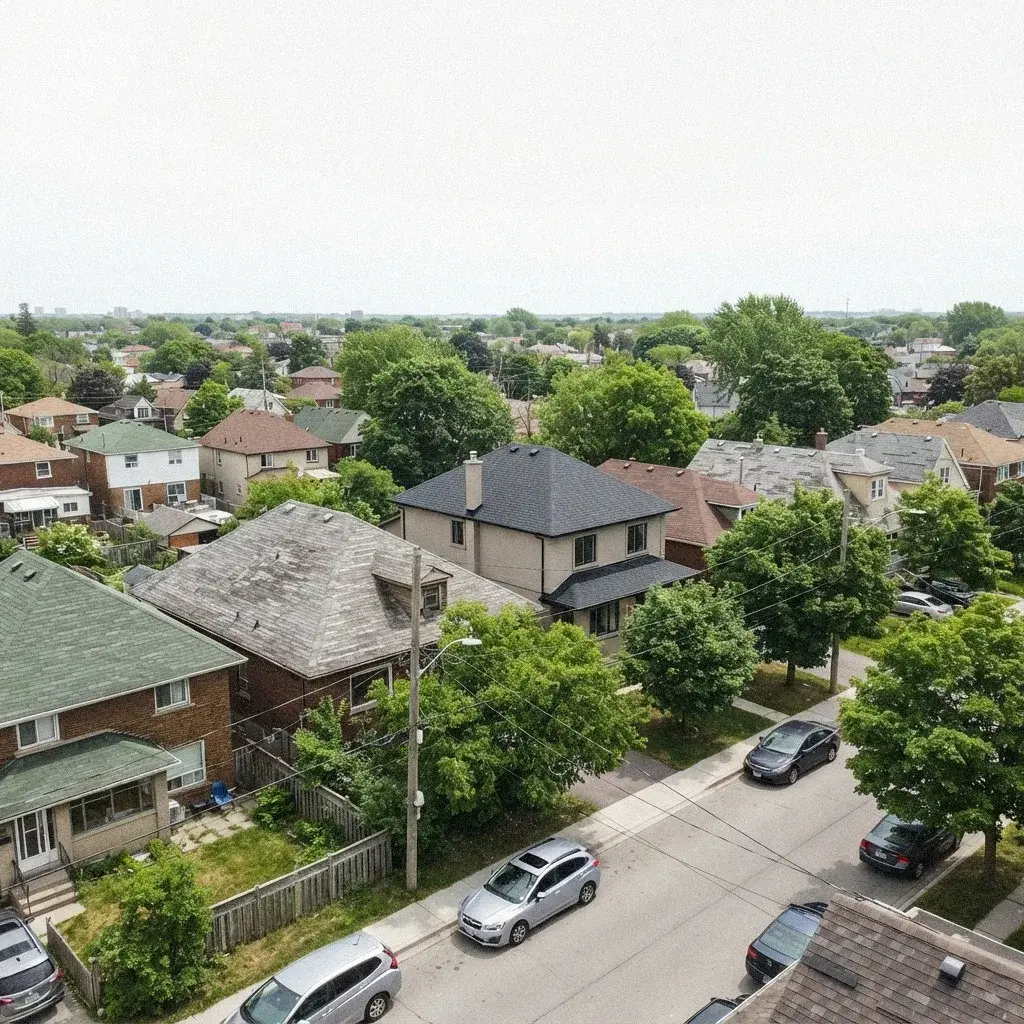
You don't need a ladder to know a roof is in trouble. Shadow lines, streaking, and debris at the gutter outlet tell most of the story from the driveway. Here's what to look for from a Bellevue sidewalk before you call anyone.
Read articleReading about this service is a fine start, but every Bellevue roof wears differently depending on shade, pitch, and age. The details on this page describe what the work generally involves; they cannot tell you whether your roof needs it right now. The licensed pros we connect you with can look at the actual conditions - moss, flashing, gutter runoff - and tell you honestly whether this is the right job or something else is the real problem first.
Call (425) 380-0932