Roofs in Bellevue rarely fail because of one bad storm. Premature failure here is usually the slow kind, built from months of surfaces that never fully dry out. A shingle rated for a long service life can fall well short of it if it spends most of the year damp. The wet season runs long, and what happens to a roof during those months matters more than any single downpour. The rest of this piece walks through the specific conditions that do the damage.
Prolonged Wetting Versus Drying Time
A roof is built to shed water, not to sit under it. In Bellevue, the problem is drying time as much as rainfall itself. Overcast stretches keep shingles damp long after the rain stops, and repeated wetting without a real dry-out period softens mat and adhesive over years. A roof near Lake Washington or Mercer Slough can stay damp longer simply from humidity off the water, even on days without rain.
Shade From Conifer Canopy
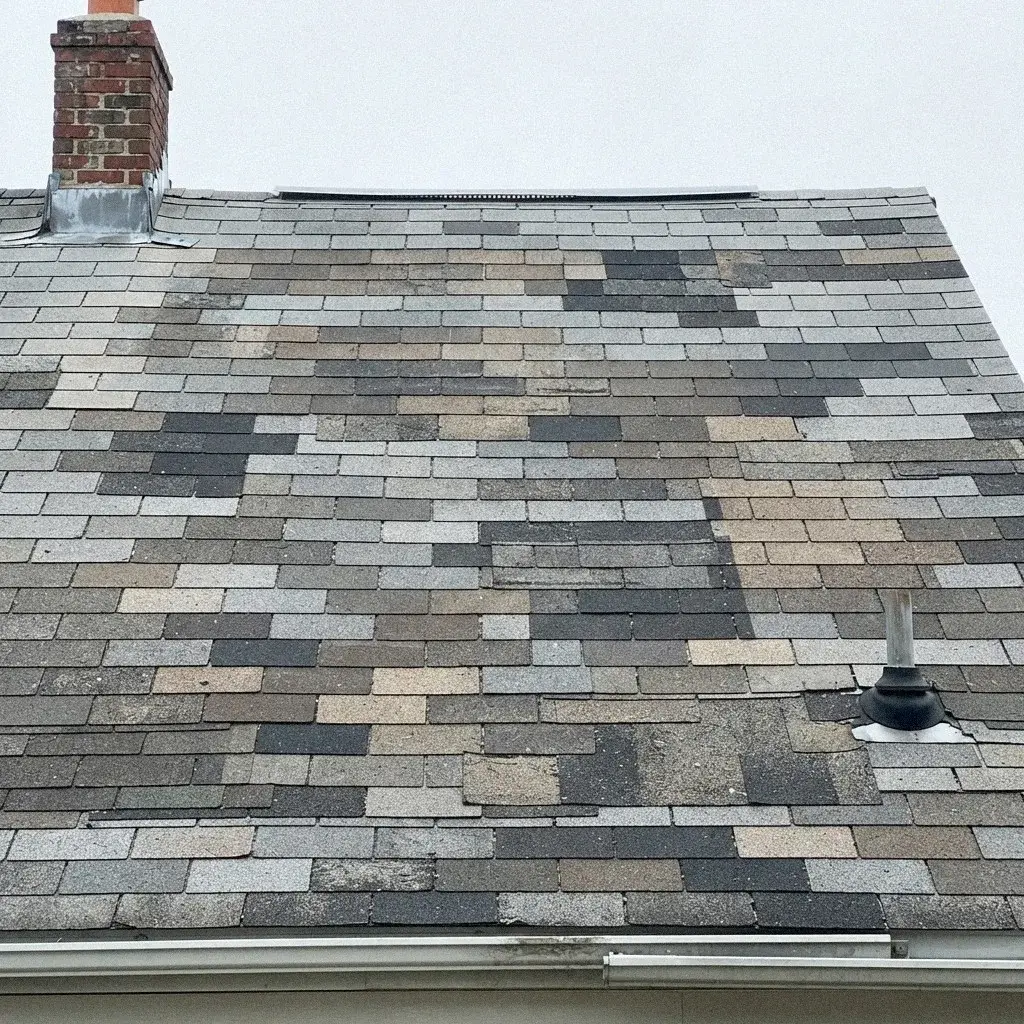
Shade slows drying, and drying time is what determines whether a roof reaches its expected service life. In Bellevue neighborhoods like Bridle Trails, Somerset, and the Cougar Mountain and Lakemont area, mature conifer canopy holds roof sections in shadow for most of the day, so surfaces that would dry between storms elsewhere stay damp through the wet season. That prolonged wetting invites moss, and moss retains still more water against the shingle. The result is edge lift, granule loss, and premature failure well before age alone would explain it.
Debris Retention In Valleys
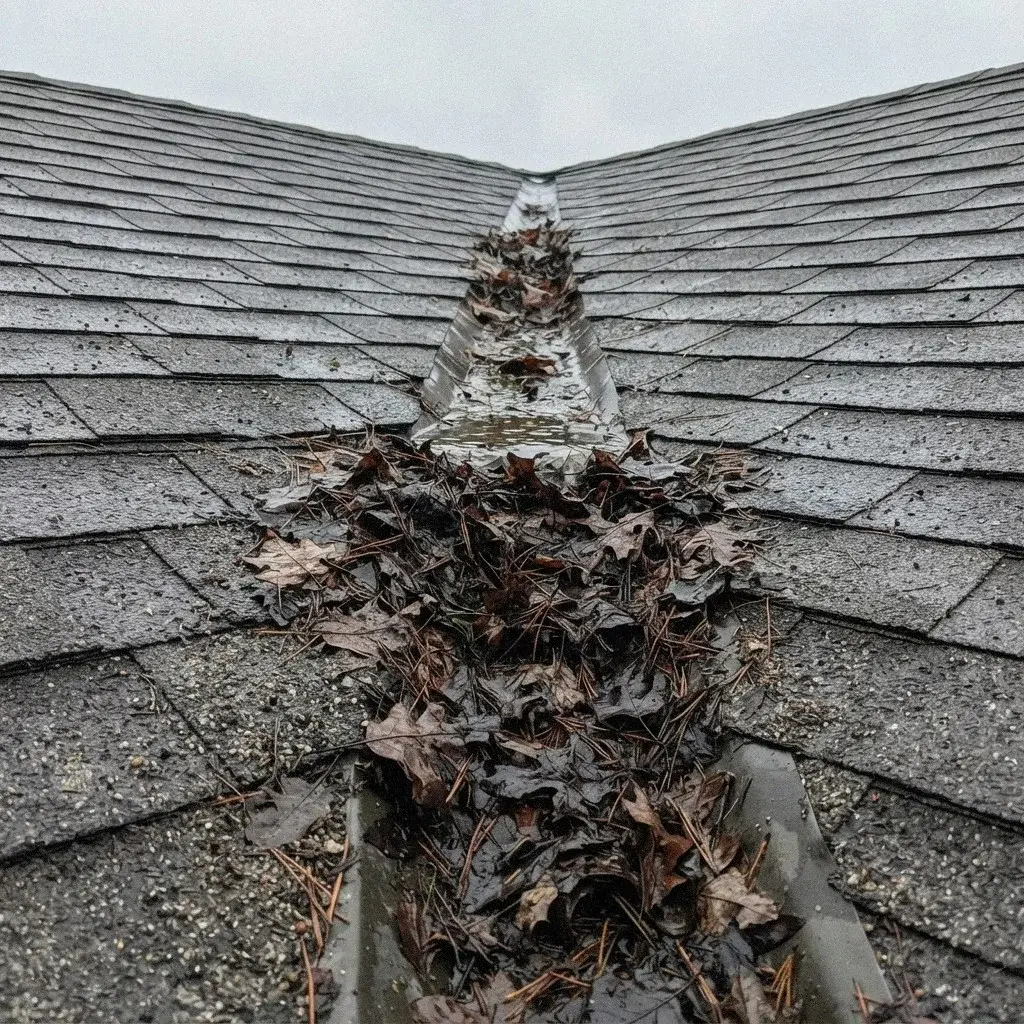
Valleys collect more than water. Needles, cones, and leaf litter settle where two slopes meet, and that debris retention holds moisture against the shingle surface long after a storm passes. Trapped moisture at a valley works against the flashing detail underneath it, and once water starts finding a way past the metal instead of over it, poor drainage and slow ponding follow. Left alone through a wet season, that combination rots the layer beneath the shingles well before the shingles themselves look worn.
Poor Drainage And Ponding
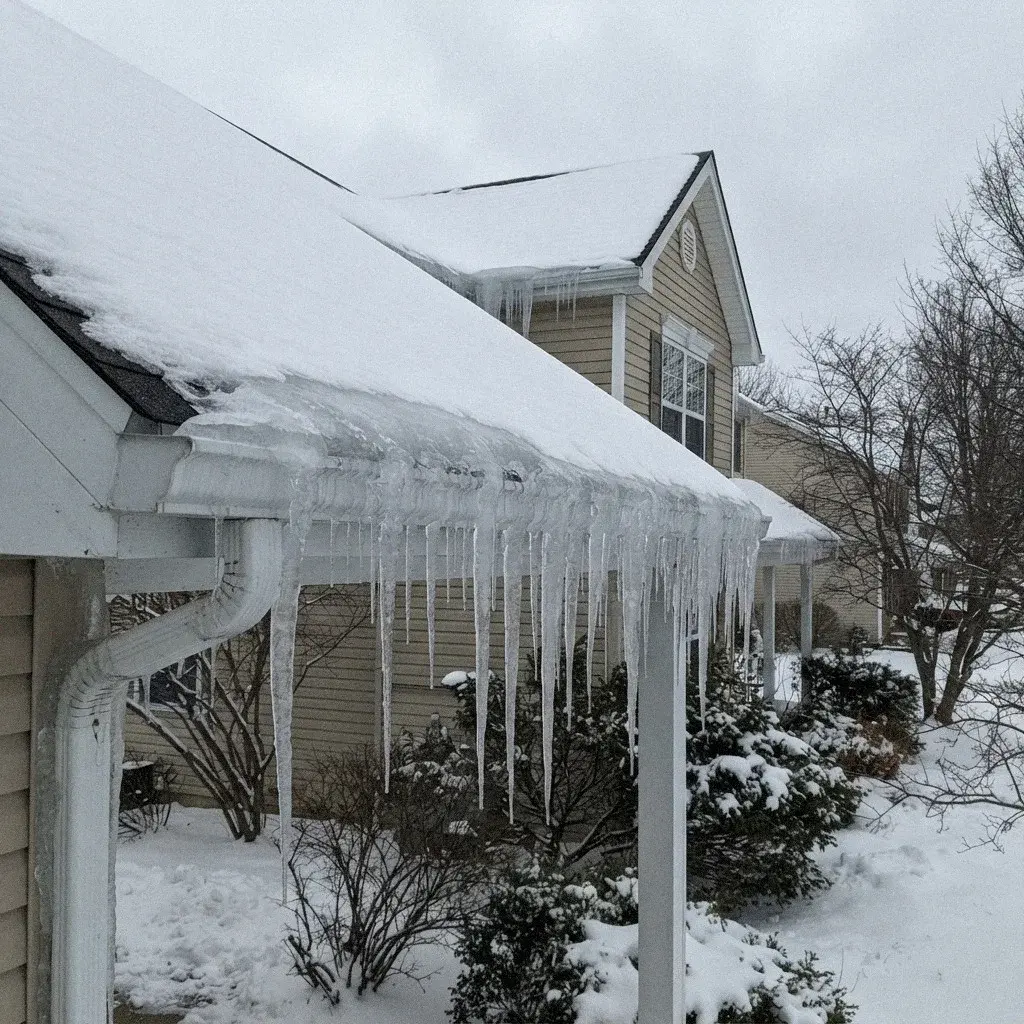
Low-slope sections, common on mid-century flat-roofed homes around Bellevue, depend on drains and slight pitch to move water off before it sits. When a drain clogs or a section settles slightly, ponding follows, and standing water works on a membrane or seam far longer than moving water ever would. Gutters and downspouts play the same role on a pitched roof: once they back up, water backs up under the roofline instead of away from it.
Weak Flashing Details
Flashing and valleys are where most slow leaks start, not open shingle fields. A flashing detail that was installed a little short, or has shifted after years of settling, lets water track sideways under the roofing rather than off the edge. This kind of failure is quiet. It shows up as a stain on a ceiling months after the flashing first let go, long after the actual damage began.
Trapped Attic Moisture
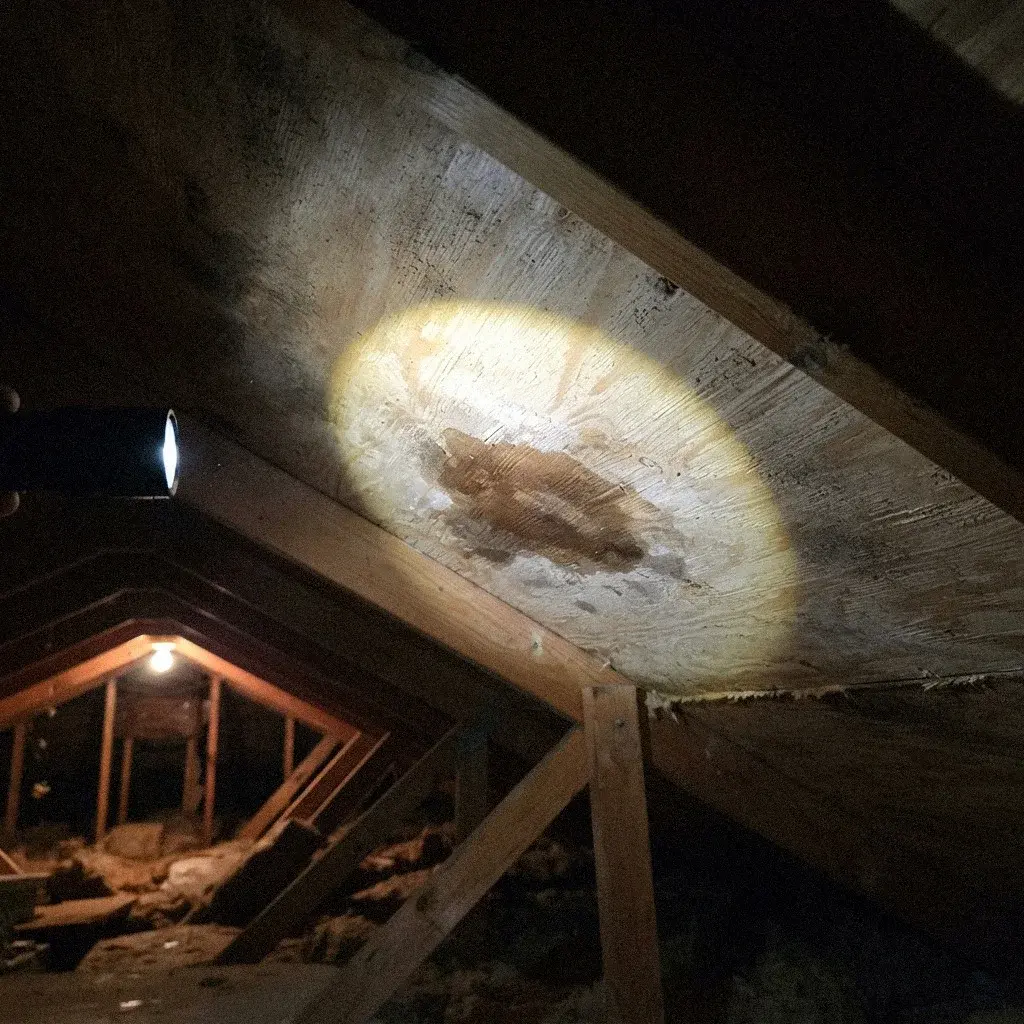
What happens under the roof deck matters as much as what happens on top of it. Vented attics rely on soffit intake and ridge exhaust working together, and when soffit vents are blocked or a bathroom fan vents into the attic instead of outside, moisture has nowhere to go. That trapped moisture condenses against the cool underside of the sheathing, which softens decking and shortens roof life from the inside out.
How Cedar Roofs Wear Differently
Cedar shake ages on its own schedule. Many older Bellevue homes still carry it, and shake laid over skip sheathing dries and wets in a different pattern than composition shingle over solid decking. Moss and prolonged dampness affect cedar the same way they affect asphalt, but the open gaps in skip sheathing change how air moves underneath, which is part of why conversions to composition shingle are a routine job here.
Why North Slopes Age Faster
A roof does not age evenly. The north-facing slope of a house near Yarrow Point or Enatai often shows moss and granule loss years before the south-facing side does, simply because it sees less direct light and holds moisture longer. Anyone comparing two slopes on the same roof and finding one noticeably rougher is usually looking at a shade and drying problem, not a defect in the material itself.
Reading Early Warning Signs
Curling edges, dark streaking, and granule loss collecting in gutters are the visible signs that prolonged wetting has already started doing its work. None of these show up overnight. They build slowly enough that a homeowner near Wilburton or Factoria can walk past them for a season or two before noticing the pattern, which is part of why moisture damage gets ahead of people.
Maintenance Interval That Matters
A regular maintenance interval, checking valleys, gutters, and flashing once or twice a year, catches most of these problems while they are still small. Clearing debris before the wet season sets in, confirming downspouts actually discharge away from the foundation, and watching for shaded slopes that stay damp longest all fall under this same basic habit of paying attention before a leak forces the issue.
When To Get A Second Opinion
Attic ventilation matters just as much as anything happening on the shingles. A poorly vented attic traps warm, moist household air against the underside of the decking, and in a marine climate like Bellevue's that air rarely gets a dry stretch to escape on its own. Over a maintenance interval measured in years rather than months, that trapped moisture can dampen the underlayment and sheathing from below while the surface above looks fine. Homeowners near Kelsey Creek or the Lake Hills Greenbelt, where tree cover keeps roofs shaded most of the day, are often dealing with both problems on the same roof without realizing it.
Dealing with this in your home?
Bellevue roofs age on their own schedule. Wooded lots near Bridle Trails and Somerset stay shaded long after storms pass, and conifer cover keeps surfaces from ever fully drying between fronts. Add a reroof window that tightens once summer ends, and small maintenance calls turn urgent fast. The sections below sort out timing, materials, and who actually answers for the work overhead.