Emergency Roof Tarping
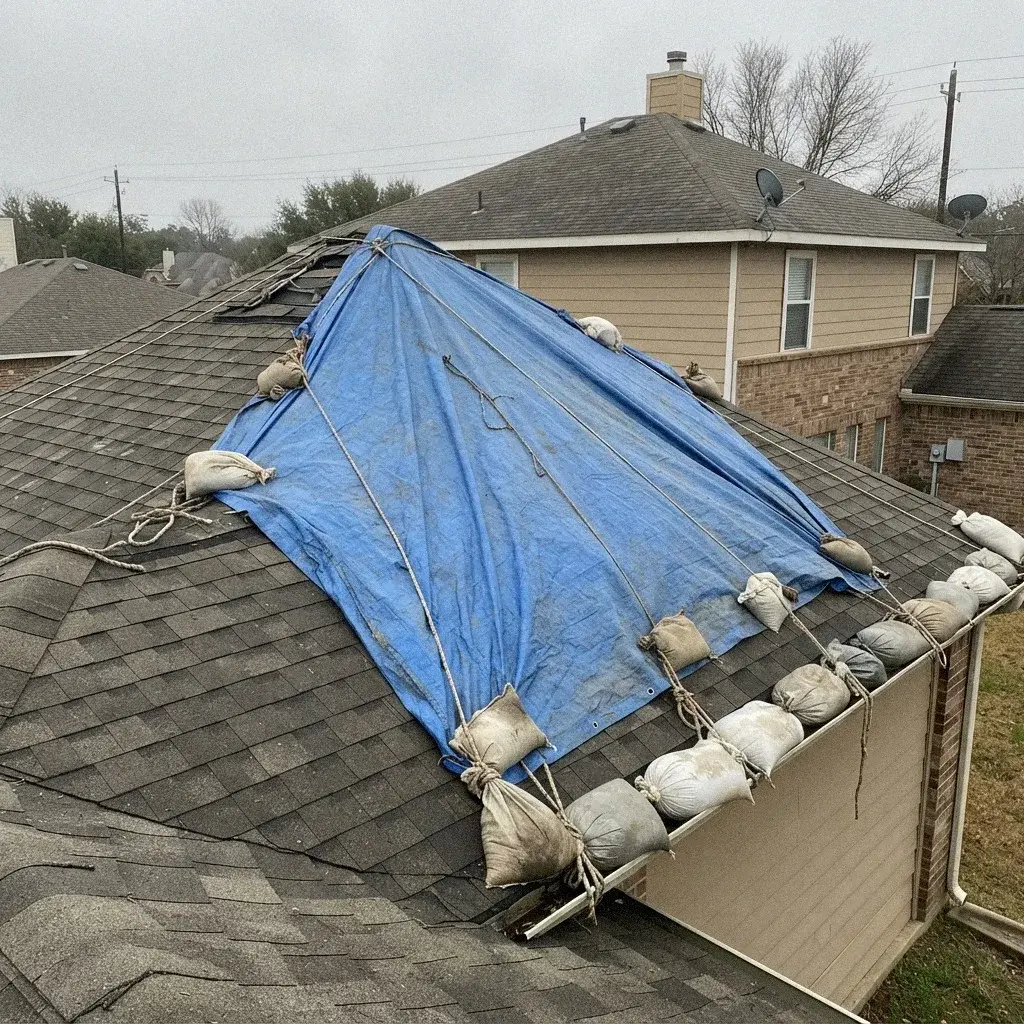
Fast temporary cover for an open, leaking Bellevue roof, set by a local licensed pro.
Learn about Emergency Roof Tarping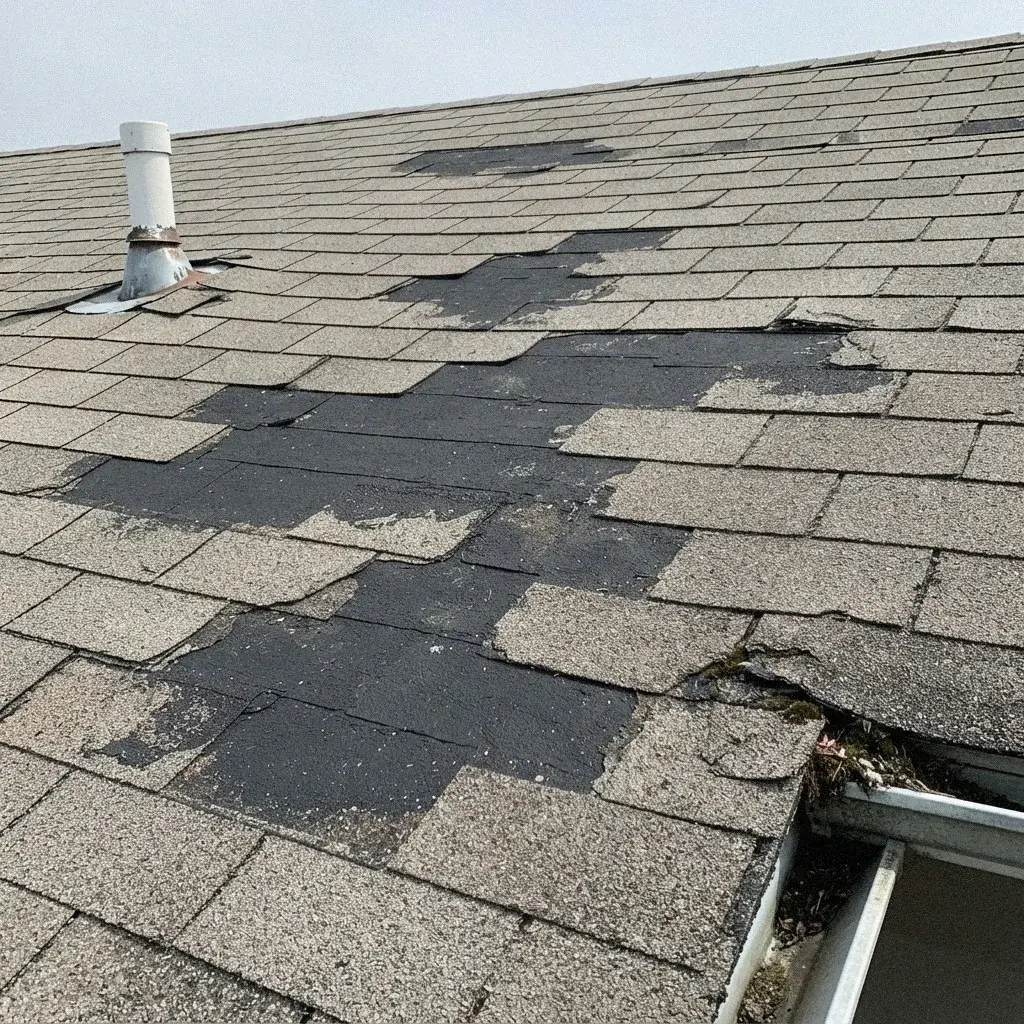
Bellevue's roofs split roughly by era. Postwar ramblers near Lake Hills and Crossroads carry low-pitch lines and original cedar many owners are now converting. Newer builds toward Somerset and Lakemont run steeper, cut-up rooflines. Either way, the roof over Bellevue homes ages on its own timeline, not a single citywide clock.
Shade is the quiet variable. Homes tucked under conifer canopy in Bridle Trails or along the Cougar Mountain slopes stay damp longer after every rain, and moss follows. It lifts shingle edges and shortens the roof's life quietly, which is why moss control belongs on a maintenance list, not a curb-appeal one.
Slope changes the job too. Flat central neighborhoods near Crossroads and downtown are straightforward to work on; hillside lots above Meydenbauer Bay or toward Newport climb steeply enough that access and staging take real planning. The licensed pros we connect you with size up which kind of lot yours is before quoting anything.
The wet season crowds the calendar. Most Bellevue reroofing happens between late spring and early fall, so homes near Wilburton, Enatai, or the Bellevue Botanical Garden area tend to get booked well ahead of November. Starting the conversation early, before flashing or valleys fail mid-winter, is the difference that matters.
Fast temporary cover for an open, leaking Bellevue roof, set by a local licensed pro.
Learn about Emergency Roof Tarping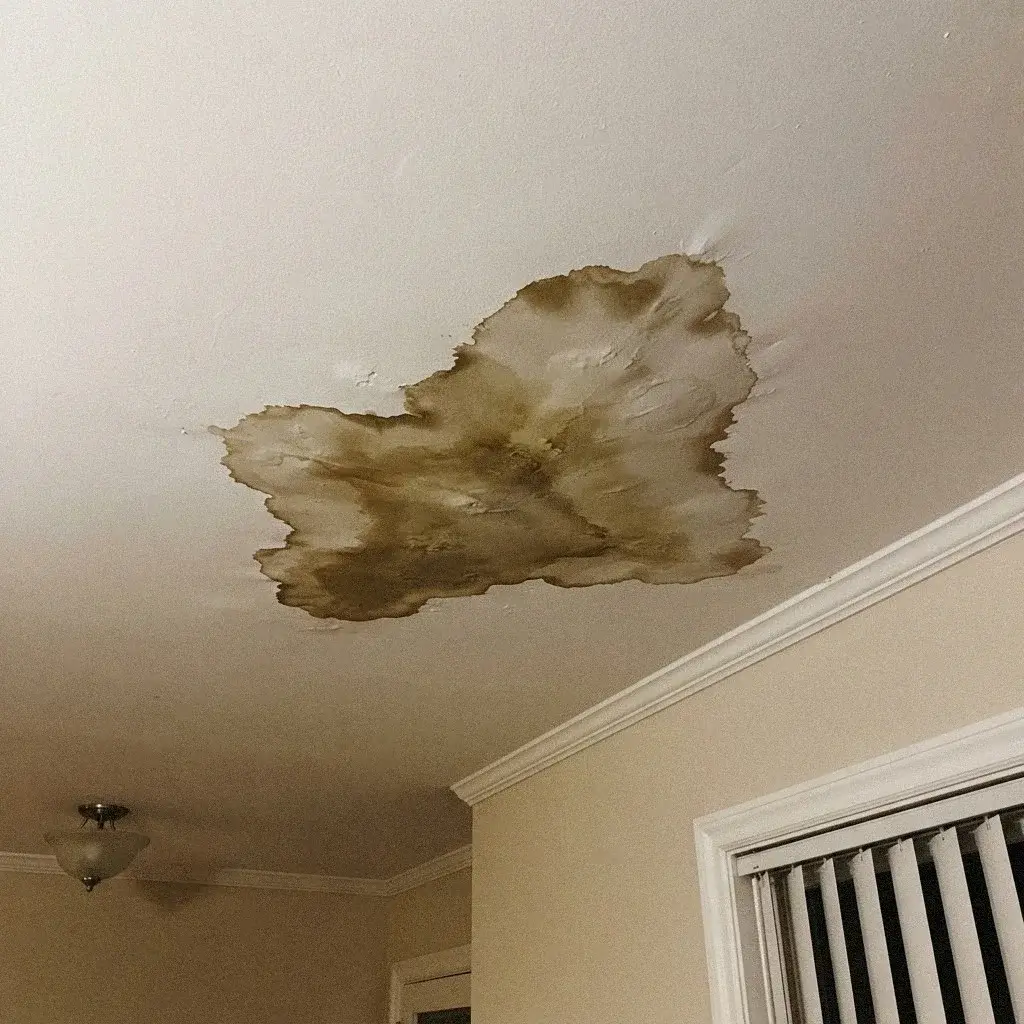
We connect you with a local licensed pro who finds the real entry point, not just the stain below it.
Learn about Roof Leak Repair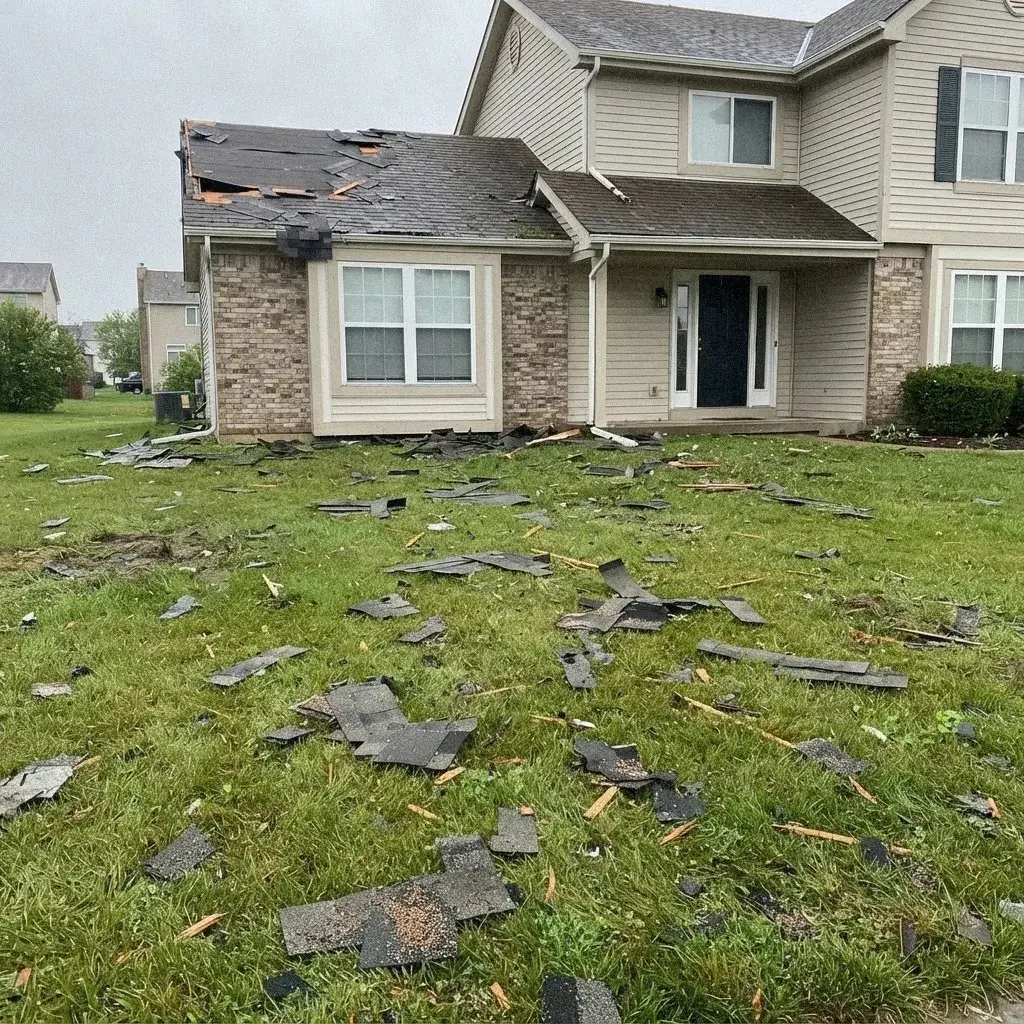
Fast inspection and repair after wind or falling limbs hit your Bellevue roof, from licensed pros we connect you with.
Learn about Storm & Wind Damage Roof RepairFast shingle, flashing and valley repairs from local licensed pros for Bellevue roofs still worth saving.
Learn about Roof Repair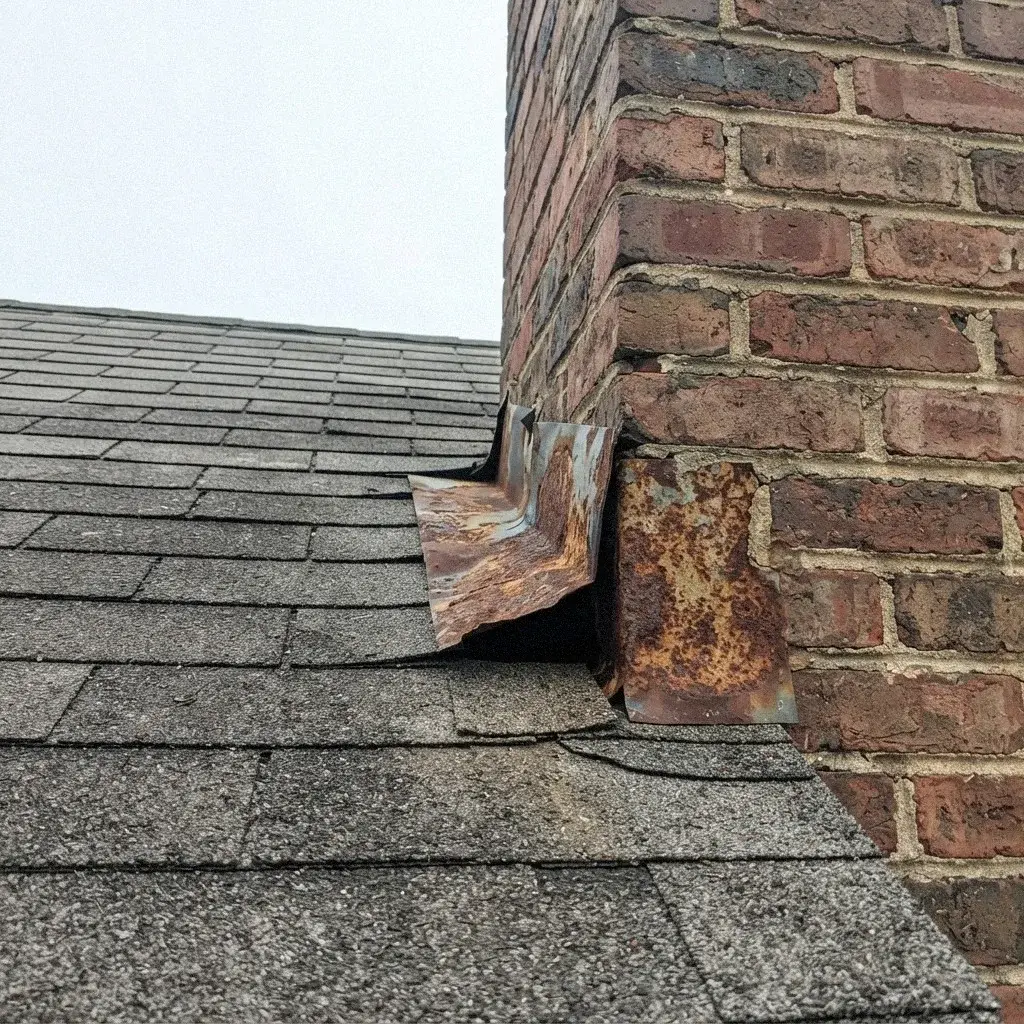
Fix the metal where your roof meets a chimney or wall before the next storm hits.
Learn about Flashing & Chimney Repair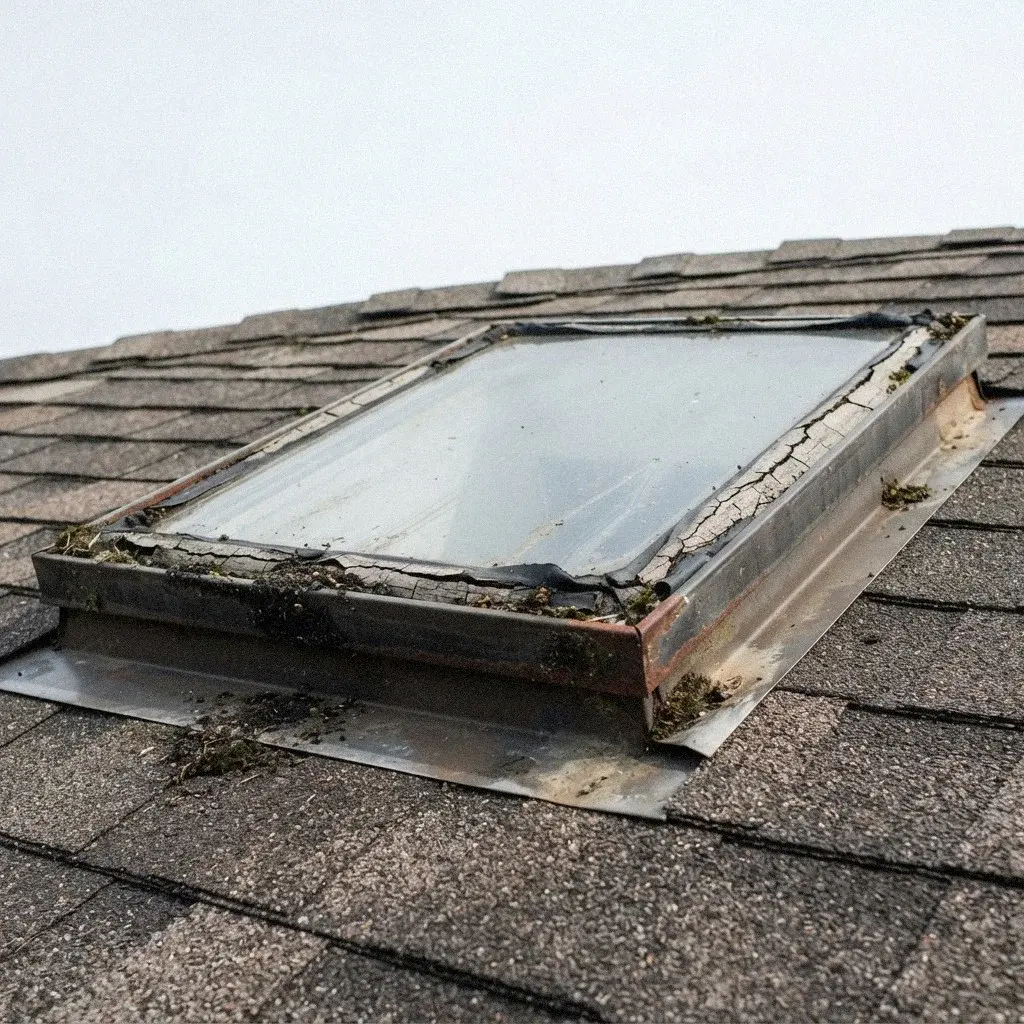
Reflashing or replacement, sorted out before the next Bellevue rain.
Learn about Skylight Repair & Replacement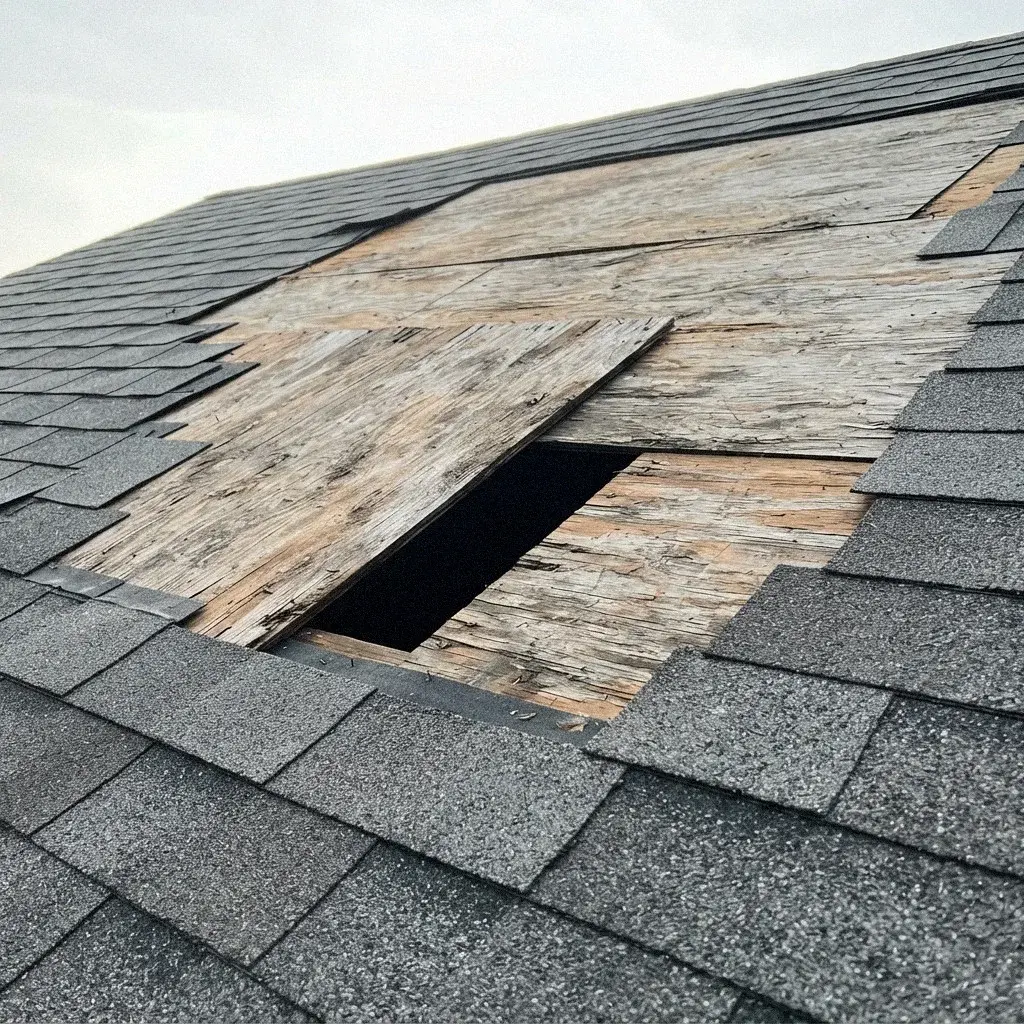
Rotted decking found and replaced by a local licensed pro before new roofing goes down. Call (425) 380-0932.
Learn about Roof Decking & Sheathing Repair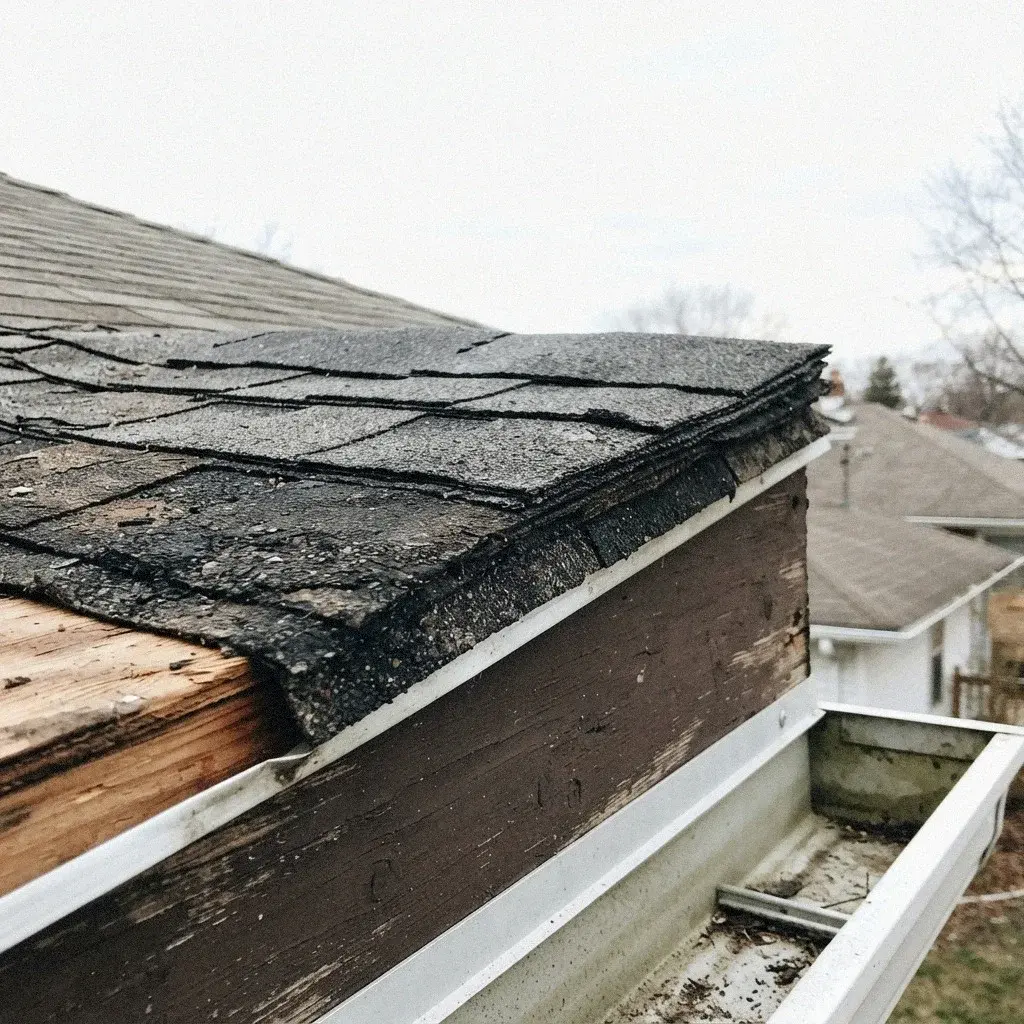
Full tear-off, yard protection, and a straight scope from the licensed local pros we connect you with.
Learn about Roof Replacement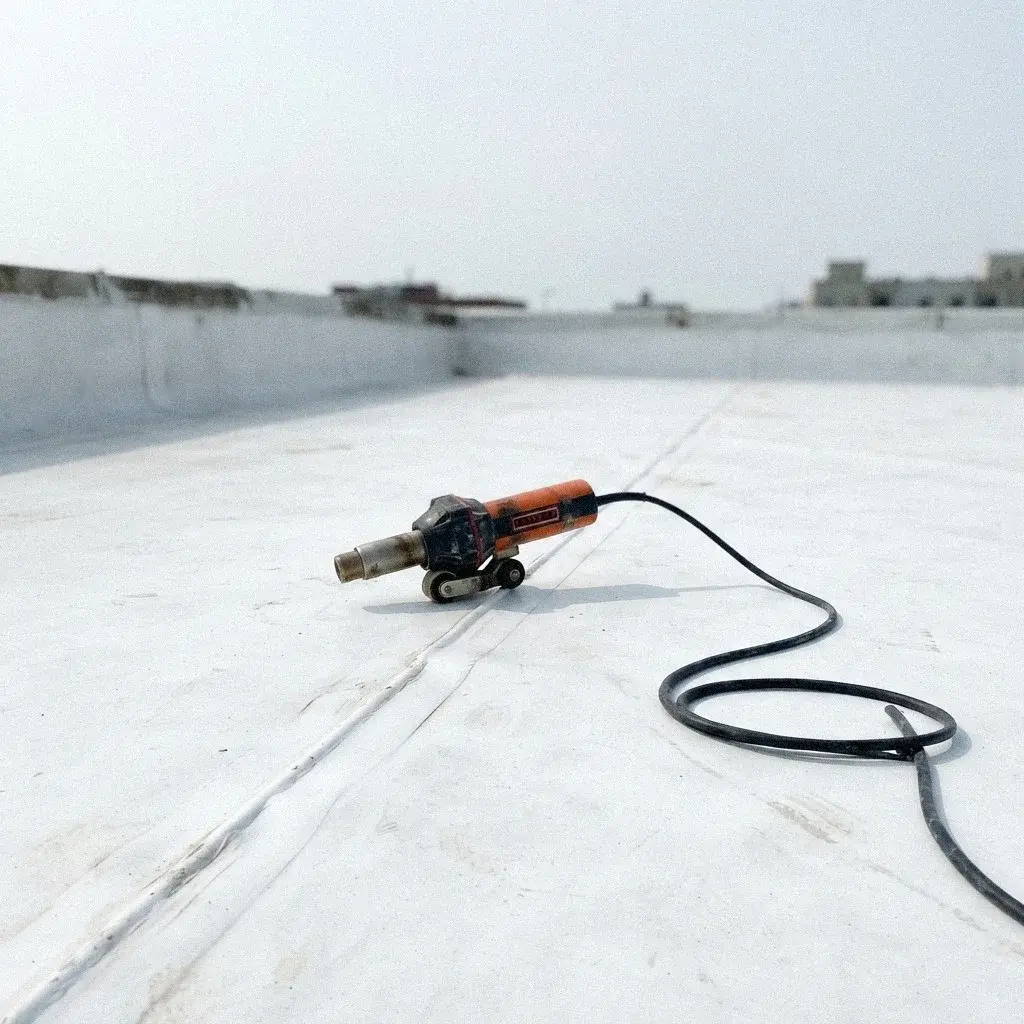
Membrane roofing built to shed water, not hold it. Call (425) 380-0932 before the next wet stretch.
Learn about Flat & Low-Slope RoofingA straightforward tear-off and reroof on a typical Bellevue rambler or two-story home usually runs one to three days, weather permitting. Steeper rooflines, multiple gables common in the newer construction around Somerset or Lakemont, and cedar shake conversions that need new decking can push that longer. The licensed pros we connect you with can give a firmer window once they've seen the roof and confirmed what's underneath the existing layer.
Most jobs need a dumpster or trailer staged in the driveway and a work area kept clear near the house, which on narrower lots in neighborhoods like Bridle Trails or Enatai can mean street parking for a day or two. On tighter hillside streets near Newport or Somerset, access sometimes takes more planning. Ask the pros we connect you with how they plan to stage the job before work starts.
Tear-off drops old shingles and nails into the yard below, so beds, shrubs, and anything under the eaves usually get covered with tarps first. Gutters often come off during the job and get reset or replaced, since undersized or clogged gutters are a common problem on shaded Bellevue lots near mature conifers. Ask what tarping and cleanup the pros we connect you with include before the job starts, especially around Bridle Trails-style tree cover.
No, most homeowners aren't home for the actual tear-off and reroof once materials and access are worked out ahead of time. What matters more is clear access to the driveway or street, and a way for the crew to reach you if they find rot at the decking or flashing once the old layer's off. The pros we connect you with will typically walk the job with you before and after.
As a guide, residential roofing here works out at an estimated $11000–$30000 per job. A simple gable roof with good access sits at the bottom; a steep, cut-up roof with several dormers sits at the top. Nothing is charged until you have approved a written estimate.
A house in Bridle Trails collects moisture differently than one near Meydenbauer Bay, and a roof on Somerset Hill sheds water differently than a flat lot in Crossroads. The licensed pros we connect you with look at slope, shade from conifer cover, and how the flashing and valleys have held up before saying anything about cost or timeline. If moss has built up under a canopy of Douglas fir or the shingles are curling from repeated wetting, get that looked at before the wet season sets in and turns a small repair into a full tear-off.
Call (425) 380-0932