Condos & HOAs
Condo & HOA Roofs
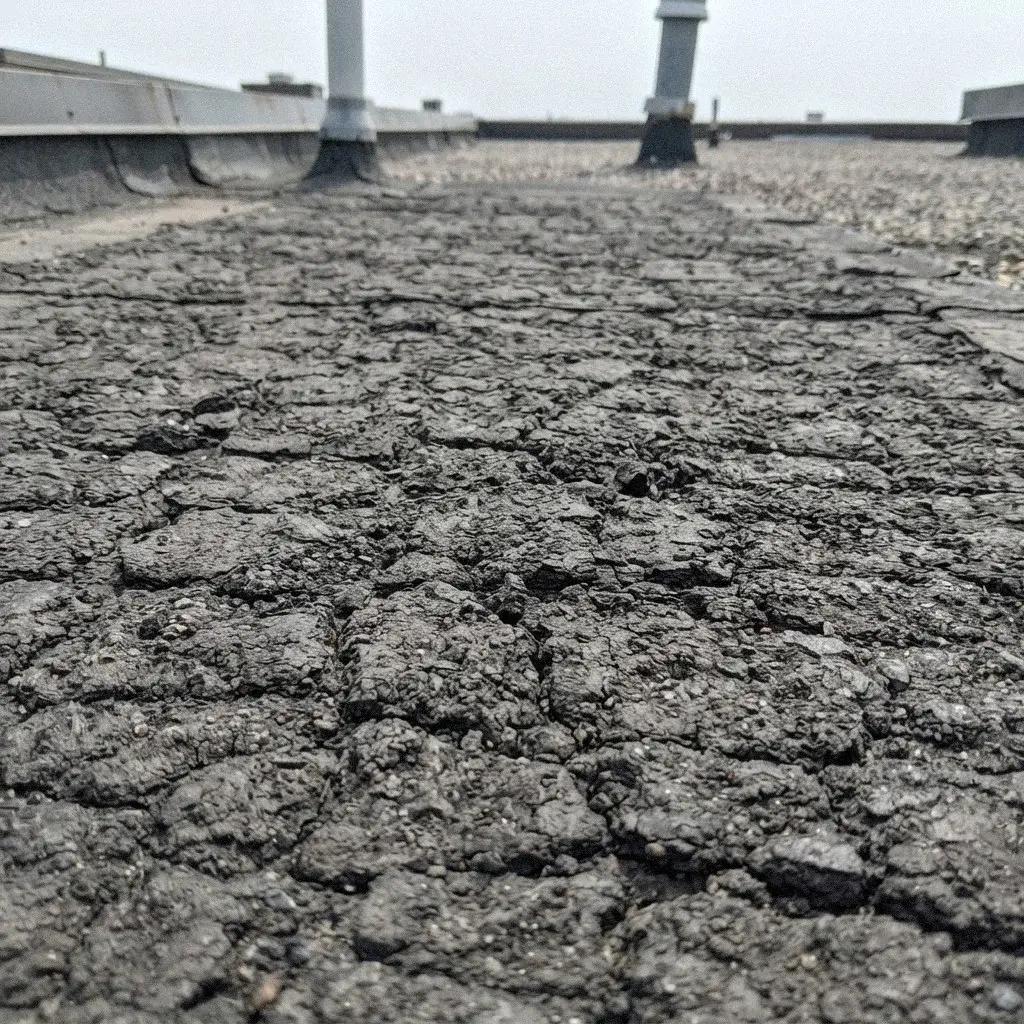
Summer-window reroofing phased by wing, planned around board approval and the reopening deadline.
School and campus reroofing is scheduled for the summer work window between the last and first school day, phased by wing over a multi-year roof plan, and closed out with a punch list before students return.
A school roof only opens up for work when nobody is inside it. Bellevue and Mercer Island districts plan around that reality, treating summer as the one stretch when crews can be on a gymnasium roof section or over a library and media room without disrupting a single class period. The reopening deadline in early September is not a suggestion. It is the fixed point every other date on the job gets measured against, and missing it is not an option anyone budgets for.
That narrow window means a district cannot treat a failing roof the way a homeowner might, waiting for a slow leak to get worse before acting. A wing with known flashing failures or aging membrane has to be flagged well before the bell rings in June, because the work has to fit entirely inside summer break with time left for punch list items and inspections before students and staff walk back in.
Multi-year roof plans get built wing by wing, because a campus rarely has the budget or the calendar to redo a gymnasium roof section, library and media room, and classroom wings in one summer. Bellevue and Mercer Island campuses tend to sequence the work so one phase closes out before the next goes to bid, with each phase carried on its own procurement schedule and board approval months ahead of any tear-off starting.
Most district roof work does not happen as one project but as a multi-year roof plan, phased by wing across several summers. A campus might see one wing reroofed this year, another the next, spreading both the disruption and the cost across a schedule the district can actually absorb. That approach also means a single bad summer weather stretch does not put the whole campus at risk at once.
Phasing by wing only works if someone maps which sections carry the worst moss buildup, the oldest flashing, or the flattest low-slope sections prone to standing water, and sequences the plan around that rather than doing whichever wing is easiest to access. A gymnasium roof section with a steeper slope and a library or media room wing with a flatter, more vulnerable roof often end up years apart in the same multi-year plan for exactly that reason.
| Wing | Work Focus | Timing Note |
|---|---|---|
| Single school building | One summer window | Multiple summers, wing by wing |
| Approval lead time | Weeks ahead of work | Board approval months ahead |
| Site access control | Single fenced zone | Fenced zone shifts by wing |
| Occupancy during work | Building fully empty | Some wings occupied nearby |
| Bus loop and playground | Clear of staging entirely | Rerouted around active zone |
| Multi-wing campus | Punch list before reopening | Punch list per wing, per summer |
| Gymnasium roof section | Large clear-span deck, staging access | Often scheduled apart from classroom wings |
| Library and media room roof | Interior-sensitive, moisture-critical zone | Sequenced to avoid disrupting collections |
None of this starts in June. Board approval for a roof project typically happens months ahead of the actual work, often the winter or spring before, because the money has to clear a public budget process before anyone can be booked. Procurement schedules for a school roof run on public timelines, not the faster pace a private commercial building might use.
That means a district weighing roof work for next summer is often already deep into decisions this fall or winter. Waiting until spring to start the approval process risks losing the summer window entirely, since bidding, contractor registration verification, and scheduling all have to land before the last day of school arrives.
Facilities staff across Bellevue and Mercer Island manage this timeline against everything else competing for the same board agenda, from HVAC replacement to paving. A roof project has to earn its place on that schedule early, with enough lead time that a summer delay in materials or permitting does not push the reopening deadline out of reach.
Site access control on an active school campus is not the same problem as it is anywhere else. Staging has to sit inside a fenced work zone kept clearly separate from a playground, a bus loop, or any path families and staff might use even during break, since custodial staff, summer programs, and maintenance crews are often still moving through the building.
Material staging for a reroof, whether it is composition shingle underlayment, membrane rolls, or torn-off cedar shake and decking debris, has to be placed where it will not block a bus loop that starts running again before the work is finished, or sit anywhere near where kids would normally gather on a playground. That planning happens before the first ladder goes up, not once work is underway.
Occupied-building protocol still applies even during summer break, because a campus is rarely fully empty. Summer school, camps, or facilities staff may be using parts of a building while another wing is under a torn-off roof, so custodial coordination becomes part of the daily routine rather than an afterthought handled once at the start.
Noise, debris containment, and keeping a work zone separated from whatever is still running on campus all have to be worked out with whoever is managing the building day to day. A project that ignores that coordination risks conflicts that slow the work down right when there is the least room in the calendar to absorb delay.
Closeout has one real deadline: before students return. That means the closeout punch list, from flashing details to gutter and downspout checks to a final walk of the work zone, has to be finished with enough buffer that nothing is left half-done when the fence around the site comes down.
A punch list that drags into the first week of school is a failure regardless of how good the finished roof turns out to be, because it means the fenced work zone, staging, and disruption spill into a period the whole plan was built to protect. The licensed pros we connect you with in Bellevue and on Mercer Island plan the finish date with that hard stop in mind from the very first board conversation.
Closeout on a school roof is not the same as closeout on an office building. The punch list has to clear before buses run and before custodial staff reopen gymnasium roof sections and library and media rooms to students. Bellevue and Mercer Island school administrators build that hard deadline into the contract, so the final walk, warranty paperwork, and site cleanup around the bus loop happen on a schedule set by the calendar, not by the crew.
Reroof timing in this area tends to bunch up around the same few dry months, so a property owner who waits until the wet season starts often waits weeks longer than expected for a crew. Booking ahead of that crunch, even before a roof is failing outright, keeps the choice of materials and timeline in your hands.Bothell, Lake Hills and Bridle Trails. Composition shingle is the default roof across Bellevue, with cedar shake still common enough that shake-to-shingle conversions are routine work, not a special case. Each material fails differently and gets diagnosed differently. The licensed pros we connect you with know what to look for under both before they quote anything.
A roof rarely fails all at once here. It fails slowly, through moss holding water against shingles, flashing that gives out at a valley, or gutters that back up during the wet season and let water find a seam. The licensed pros we connect you with look for those specific signs before they become soft decking or a bigger repair.Cost depends on what a roof actually needs, and that only shows up close up. A read on shingle condition near Bellevue Way or a shaded lot by Bridle Trails still means someone climbing the ladder. The licensed pros we connect you with can price a tear-off, a moss-heavy reroof, or a cedar-to-composition conversion once they've seen the deck itself, not a photo of it. pricing guide, and the commercial overview covers how a scheduled program works.
Condo & HOA Roofs
Commercial Roofing
Industrial Roofing
Work windows follow the academic calendar, not the weather alone. Bellevue School District and Mercer Island School District campuses are typically only fully accessible from mid-June through late August, so any wing not finished by the week before Interlake High School or Mercer Island High School reopens gets pushed to next summer's phase.
Yes, and it usually has to. A single summer rarely covers a full campus like Cherry Crest Elementary School or Chief Kanim Middle School, so roofs get phased wing by wing across two or three summers under one multi-year roof plan, with each phase separately bid and separately closed out.
Board approval and procurement timelines run months ahead of any work at a Bellevue or Newport Hills area campus. Budget approval, contractor registration verification, and bid award typically need to be locked in by winter or early spring so materials and crews are ready the day summer break starts.
Staging areas get fenced off well away from playgrounds and the bus loop at every campus we've seen described, whether that's a Bellevue elementary or a Tahoma School District building. Site access control is written into the contract, and material staging locations get approved by the district before work begins.
Ask the licensed pros we connect you with for a phased summer roofing plan built around your reopening deadline.
Call (425) 380-0932