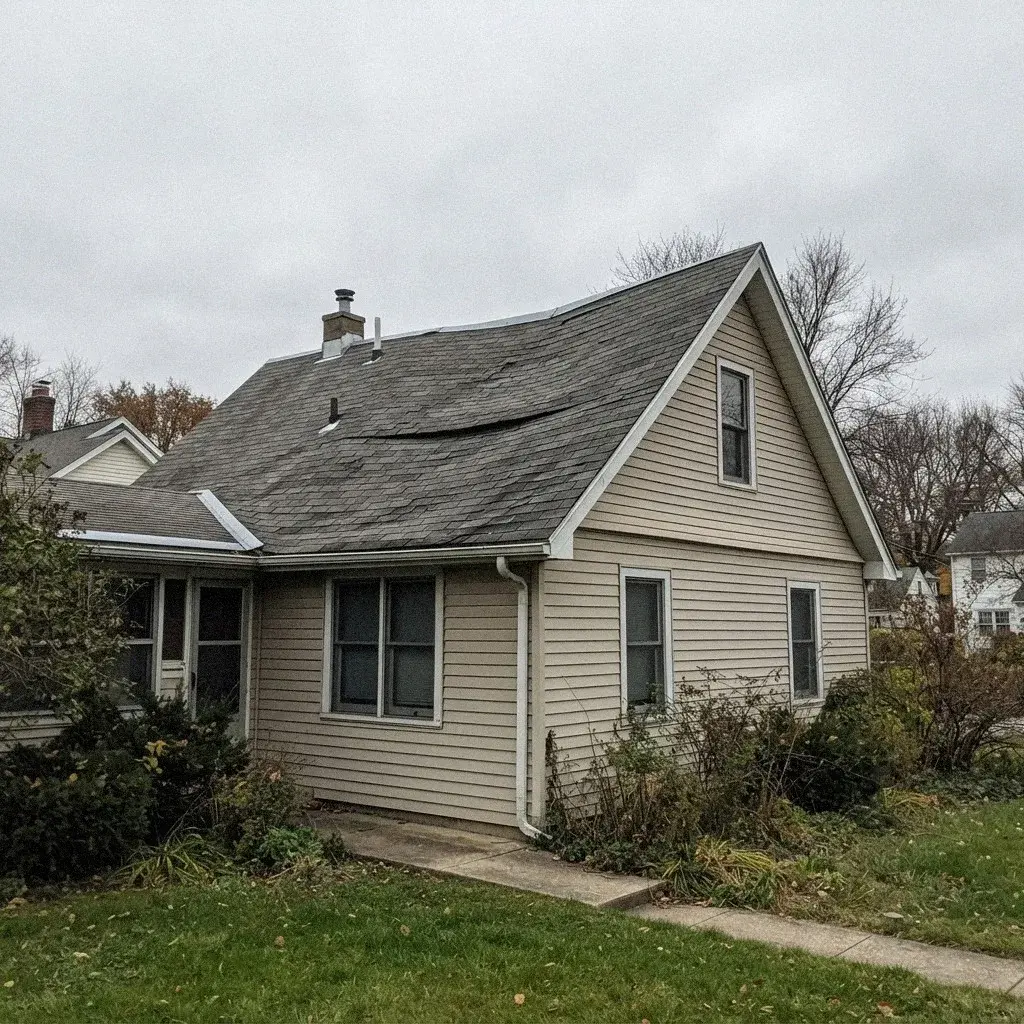
Stand across the street from a Bellevue house and look down the roofline instead of at the shingles. Most people notice color and moss first, but the shape of the roof plane against the sky tells a different story. A straight, even line means the framing underneath is doing its job. A line that dips, bows, or ripples is the roof telling you something has changed in the wood holding it up, and where that change shows up matters.
Ridge Sag Versus Everything Else
A dip specifically at the ridge, the peak line running the length of the house, usually points to the ridge beam or the connection between opposing rafters. This is different from a sag in the middle of a roof plane away from the ridge, which more often traces to a rafter or truss member below it rather than the ridge itself. Homes off Coal Creek Parkway and around Lake Hills show both patterns, and separating the two is the first real diagnostic step.
A Dip Along the Peak
Ridge sag tends to develop slowly and evenly, so it often reads as a gentle curve rather than a sharp break. It suggests long-term deflection in the ridge board or in the rafters that carry it, sometimes tied to undersized framing from an older build era, sometimes to years of added weight from layered roofing. In Bellevue's older neighborhoods near Wilburton, this pattern is worth a look precisely because it develops quietly, without any single dramatic event pointing to it.
A Dip in One Section
A dip that sits over one section of a roof, rather than the whole ridge, points to a localized problem instead of a house-wide one. It often sits above a bathroom, a bay window, or wherever framing was cut for a skylight or vent. Bellevue homes with additions or remodeled sections sometimes show this where old framing meets new. The cause could be a weak rafter, a header that was undersized when the opening was framed, or years of wetting that softened the decking underneath. A structural assessment is the only way to know which.
Why That Distinction Matters
Ridge sag and a localized dip both look like sagging from the curb, but they point a structural assessment in different directions. One sends attention to the framing members carrying the whole roof plane, the other sends it to a specific patch of decking or a single rafter. Confusing the two wastes time and money in Bellevue, where a misdiagnosed roof can mean opening the wrong section of ceiling before finding the actual soft spot.
When the Whole Field Waves
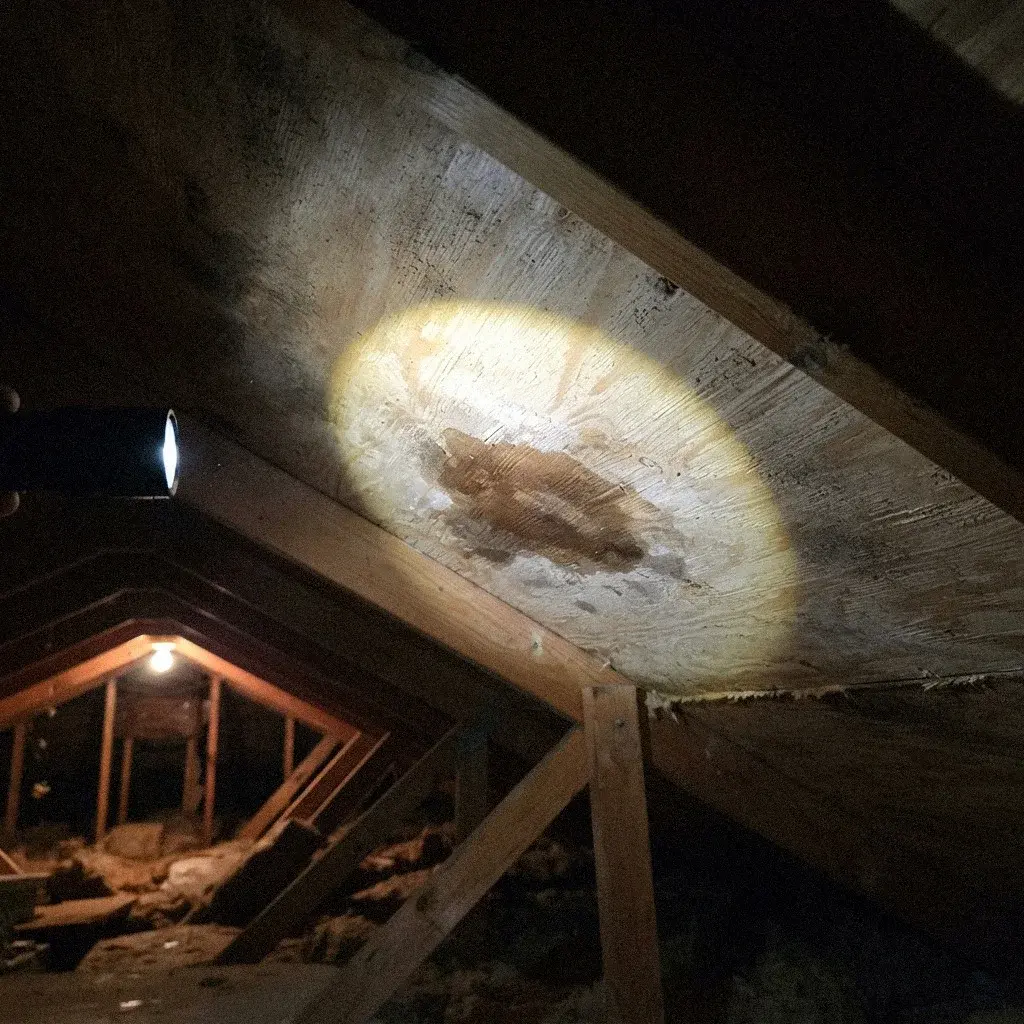
A wavy field is different again: instead of one dip, the whole roof plane rolls slightly, almost like fabric. This pattern more often points to widespread sheathing delamination, where the layers of the decking panel have started separating from moisture exposure over years rather than a single event. It shows up on homes throughout Bellevue with older plywood decking, particularly where attic ventilation has been marginal for a long stretch of wet seasons.
What Delamination Looks Like Up Top
Sheathing delamination rarely announces itself with one obvious low point. Instead, the roof plane loses its flatness in a subtle, rolling way, and from the street it can be mistaken for an installation flaw rather than a wood problem. Homes near Somerset and Newport Hills with cedar shake conversions sometimes reveal this pattern once the old shake is stripped, because skip sheathing ages differently than solid decking underneath a comp shingle roof.
Purlins and Load Path Clues
Some Bellevue homes, especially split-levels from the 1950s and 60s, use purlins as intermediate supports between rafters and the ridge. A wave or dip that appears at regular intervals across the field, rather than as one isolated spot, can point to a purlin or its connection rather than the rafters themselves. Tracing the load path this way, from ridge to rafter to purlin to wall, helps narrow down which member actually gave way.
Why Wetting Is the Common Thread
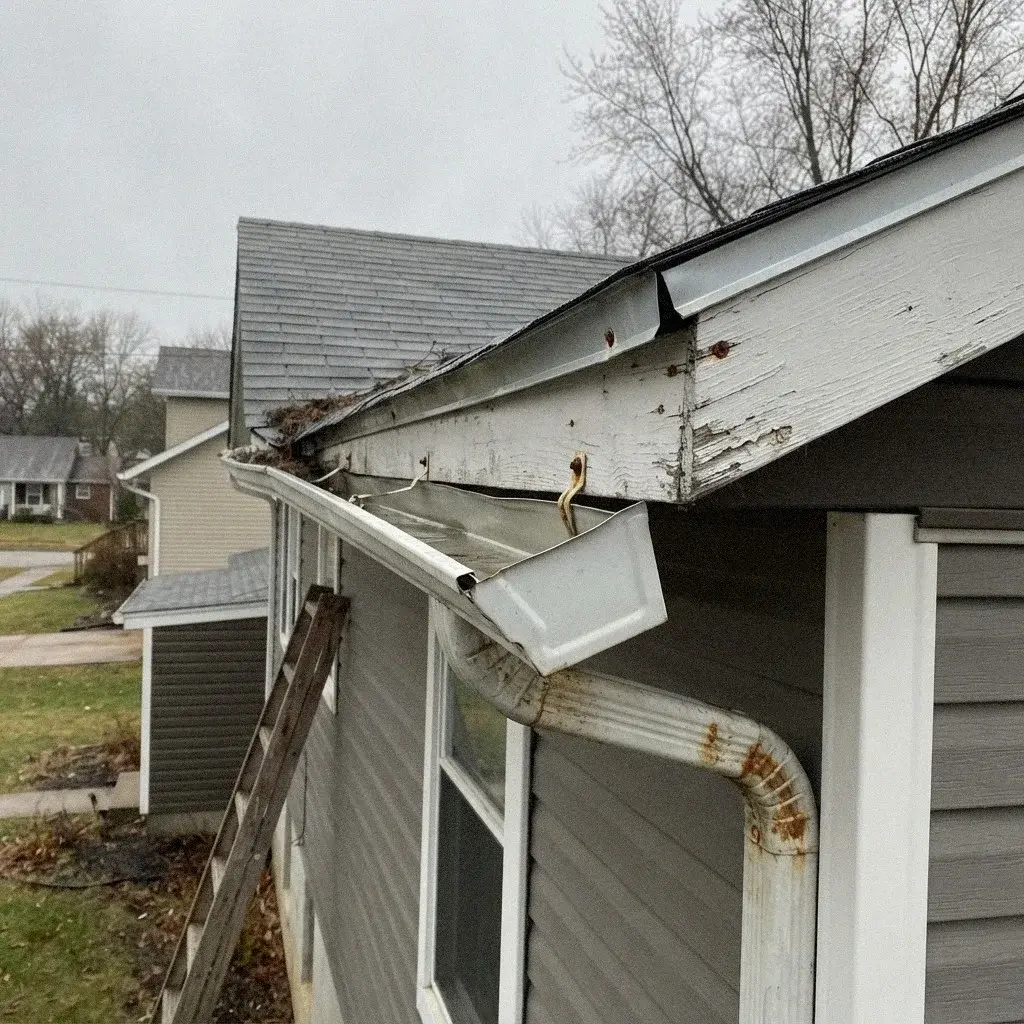
Whatever the shape, most sagging rooflines in Bellevue trace back to water rather than a single overloaded moment. Long stretches of overcast weather, moss holding moisture against shingles, and clogged valleys near Bellevue Way all feed slow wetting cycles that weaken decking and rafters over years. A roof here rarely fails from one storm; it fails from repeated dampness that a homeowner never saw from the attic hatch.
What a Soft Spot Underfoot Means
If a sagging area is confirmed by walking the roof and feeling a give underfoot, that soft spot almost always aligns with whatever depression was visible from the street. It confirms the decking has lost stiffness in that patch, which is a different finding than a ridge that has simply deflected over time without any soft give. Either way, it is the kind of finding that belongs in front of someone who can assess it properly rather than left for another season.
Why This Warrants Prompt Attention
A visible sag, in any of these forms, is one of the few roof signs that should not wait for a convenient month. Left alone through another wet season, a soft spot or a delaminating field tends to spread rather than stay contained, and a structural assessment gets more complicated the longer moisture keeps working on the same wood. This is true whether the house sits near Lake Hills or up toward Cougar Mountain.
Getting an Assessment Started
None of this replaces someone standing on the roof and in the attic with a flashlight. A homeowner in Bellevue who spots a dip, a wave, or a soft-feeling section from below has enough to start asking questions, but the sheathing, the rafters, and the load path underneath stay hidden until somebody inspects them directly. Waiting rarely makes a sagging section easier or cheaper to sort out, since trapped moisture keeps working on the wood the whole time it goes unchecked.
Dealing with this in your home?
Bellevue roofs age on their own schedule. Wooded lots near Bridle Trails and Somerset stay shaded long after storms pass, and conifer cover keeps surfaces from ever fully drying between fronts. Add a reroof window that tightens once summer ends, and small maintenance calls turn urgent fast. The sections below sort out timing, materials, and who actually answers for the work overhead.