A Pre-Rainy-Season Roof Checklist for Bellevue
Before the long wet season settles over Bellevue, a roof benefits from a short walkaround done in the right order. This piece lays out what to clear, what to check, and when to book it.
Read article
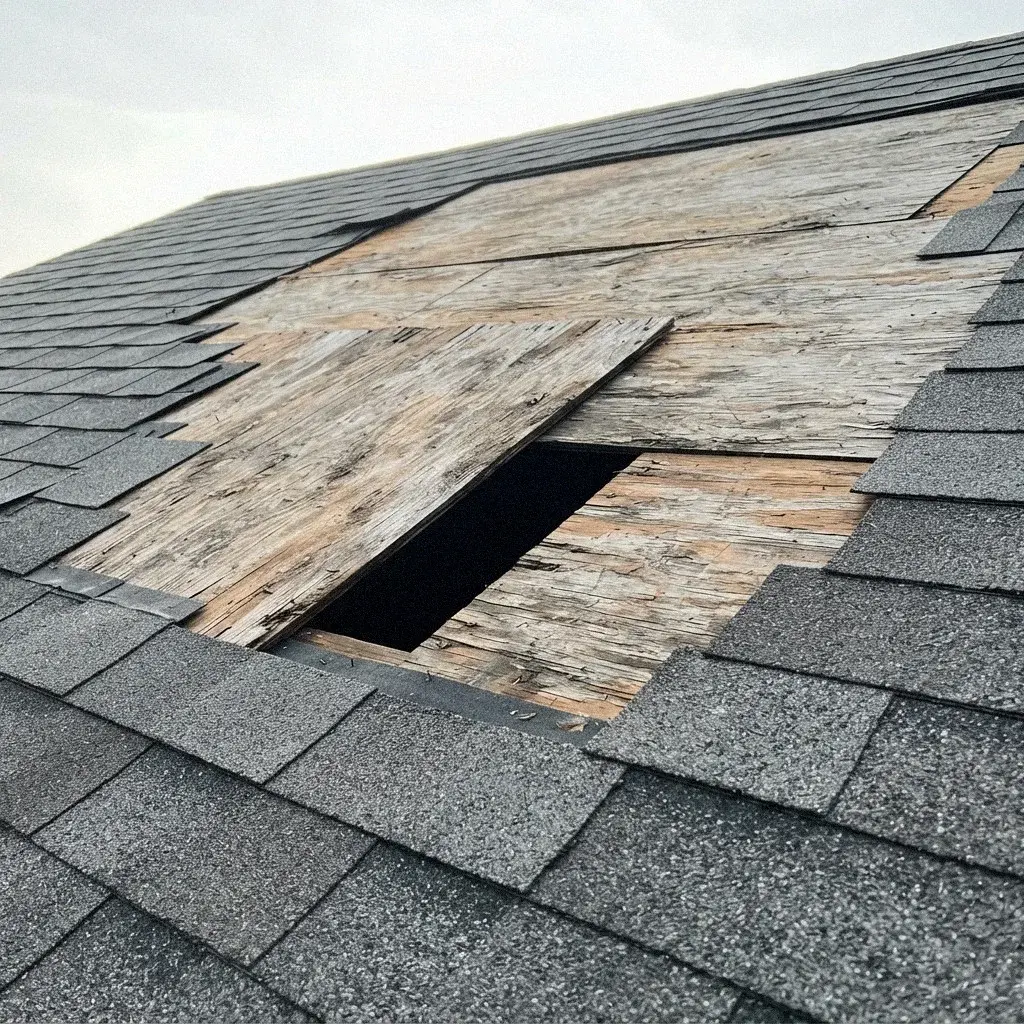
Rotten decking found and replaced before new roofing goes down.
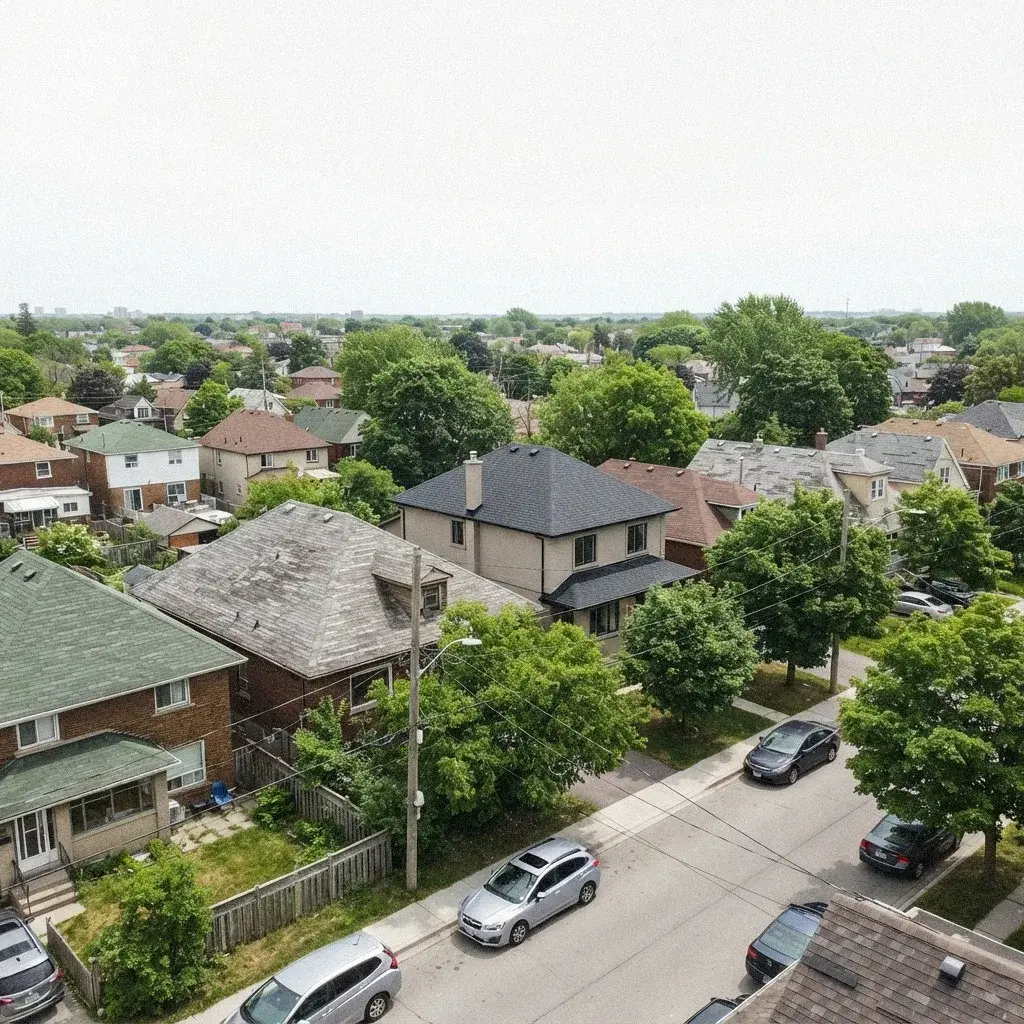
Across King County, whether you're in Yarrow Point, Wilburton, Renton, or elsewhere around Bellevue, roof decking & sheathing repair is worth arranging with somebody who works on this housing stock rather than a generic plan. Foundation type, soil and building age all change what has to happen first.
For a private home, residential roofing sets out what a visit involves. For a shop, office, or tenanted building, commercial roofing is the right starting point.
A soft or bouncy feeling underfoot when walking the roof is the most direct sign, and it means the plywood or OSB panel below has lost its structural integrity from sustained moisture. Homeowners rarely walk their own roof, so this is usually found by the crew doing an inspection or starting tear-off, not from the ground or an attic flashlight check.
A visible sag or dip between rafters, seen either from inside the attic or as a shadow line on the roof plane itself, points to a panel that has lost stiffness or a rafter that has weakened underneath it. This shows up most in older homes around Somerset Hill and Newport Hills where original decking has carried decades of Bellevue's wet-season moisture load.
Dark staining, delamination, or a crumbly texture on the attic-side face of the decking signals dry rot has already set in, even if the top side still looks intact under the shingles. Once separated plies or soft crumbling wood are visible from below, that section needs replacement, not just a repair, before new covering goes on above it.
The existing roof covering comes off first, since decking condition underneath cannot be confirmed until it's exposed. This is the point where soft spots, rot, and delamination actually get found and counted.
Each section of decking gets checked by hand, panel by panel, for sponginess, staining, and delamination, with damaged sheets marked for removal and sound panels left in place.
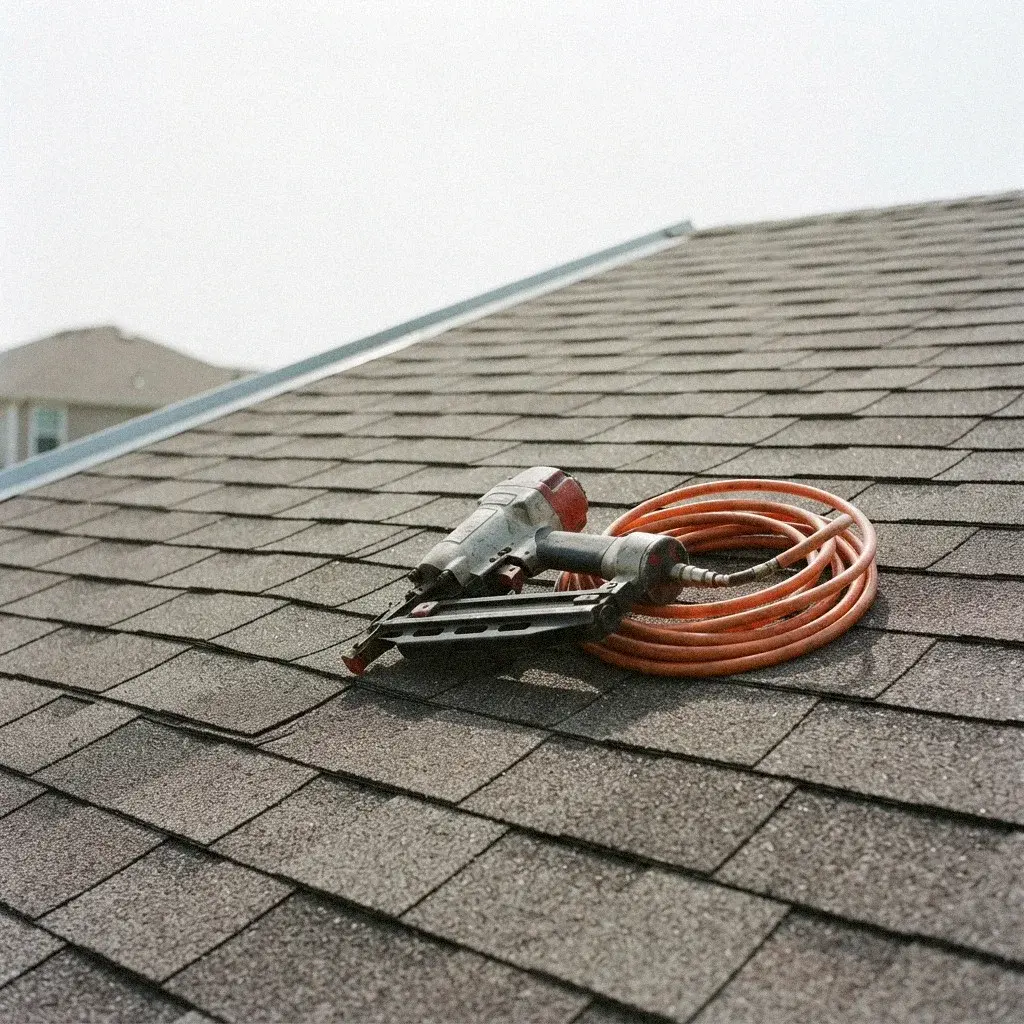
Damaged panels are cut out and replaced with matching-thickness plywood or OSB, and any weakened rafter is addressed before new decking goes down over it.
New panels are re-nailed to the rafters at proper spacing, sheet count is confirmed against the permit threshold, and the deck is inspected as sound before the new covering goes on.
Bellevue homes near Bridle Trails, Somerset, and Newport Hills carry decking installed decades ago, often plywood or skip sheathing under cedar shake that was later converted to composition shingle. Constant marine moisture works into fastener holes and valleys long before it shows inside. Once panels delaminate or rafters see sustained damp, the roof covering above has nothing solid to grip, so nailing patterns fail and shingles lift regardless of how new they are.
Bellevue's roofing policy ties sheathing repair to a sheet count rather than a flat rule. Stay under that count on a residential tear-off and the substrate work proceeds without a separate building permit; go past it and the project crosses into permitted territory. Multi-unit buildings face their own building enclosure review under state law once repair costs pass a set share of assessed value. The pros we connect you with track that threshold as they open the deck, not before, since nobody knows the real sheet count until the old covering is off.
Washington's residential code allows either plywood or oriented strand board as decking material, so replacement panels are chosen to match the existing deck's thickness rather than a mandated material. Homes near Wilburton or Crossroads with older skip sheathing under cedar shake often need a switch to solid panels if the covering is changing to composition shingle.
Here is roughly what roof decking & sheathing repair runs locally. Treat it as a guide — the property itself decides where inside the range you land.
| Written Scope | Tax Treatment | Permit Status |
|---|---|---|
| Licensed here means registered with the state, bonded, and carrying liability insurance. That status is checkable before anyone sets foot on the roof, and it matters more than a friendly sales pitch or a truck with a logo on it. | Visual check only, roof still in decent shape — no repairs, no climb on steep pitch | an estimated $420–$4275 |
| Insurance protects you two ways: it covers damage if something goes wrong during the job, and it keeps an injured worker's medical bills off your homeowner's policy. Ask to see current proof, not just a claim that coverage exists somewhere. | Tear-off, new flashing and valleys, standard shingle or shake — no structural repair | an estimated $600–$5850 |
| A bond is not the same as insurance. It's a smaller financial backstop meant to cover unfinished or defective work. Confirming both bond and insurance status takes a few minutes and avoids a much longer cleanup later. | Full reroof: complete tear-off, new decking where soft, flashing and valleys redone | an estimated $780–$8100 |
| Unlicensed work can still look competent on the surface, until a warranty claim has nowhere to go or a lien shows up after you thought the job was paid for and finished. Verification exists precisely because appearance and standing aren't the same thing. | Full tear-off, disposal, new decking as needed, no repaint or gutters | an estimated $1080–$11700 |
The rate a roofer charges depends on where the work happens, not where the company is based. Confirm the figure quoted matches the current local rate before signing, since combined rates shift by jurisdiction and change from one quarter to the next.
Usually you can't, fully. Walking the roof finds obvious sponginess and sagging between rafters, and attic light or moisture staining hints at trouble below. But the real sheet count, hidden delamination, and rot pockets under Bellevue's older cedar shake or comp shingle roofs typically only show once tear-off strips the covering and the decking is exposed and walked plank by plank.
A roof inspection checks the covering, flashing, and visible attic framing, not what's under intact shingles. Rot and delamination from trapped attic moisture often sit beneath sound-looking shingles with no surface sign. That's why decking problems in Bellevue homes usually surface after tear-off starts, not during a pre-purchase or annual inspection.
It isn't, precisely. The pros we connect you with can quote a per-sheet price and a rough range based on the home's age and roof history, but the actual sheet count is an unknown until old material comes off. A contract with a stated per-sheet rate for decking, rather than a flat number, is the honest way this gets priced.
Often, yes. Partial deck replacement is standard when rot or soft spots are localized rather than spread across the roof. The pros we connect you with cut back to solid wood, tie new panels into existing rafters or trusses, and re-nail the field around the patch so the new sheathing sits flush with the old.
Plywood and oriented strand board are solid panel decking used under comp shingle roofs across Bellevue. Skip sheathing is spaced boards, common under older cedar shake, with gaps between them rather than a continuous surface. Converting a shake roof to comp shingle usually means adding solid panels over or in place of that skip sheathing.
Not automatically. Bellevue's roofing policy exempts residential reroofs from a building permit if the repaired or replaced sheathing stays within five 4-by-8 sheets; go beyond that and a permit is required. Since sheet count is unknown until tear-off, whether this job needs one often isn't clear until the deck is opened up.
A recover skips a permit under a set weight-increase threshold, and a full replacement stays permit-free only if the sheathing swapped out is limited. Cross either line and Bellevue wants a permit. Multi-unit buildings carry their own enclosure requirements too. Ask the contractor which category your job falls into before work starts, not after.
A roof problem in one part of town rarely matches a roof problem somewhere else nearby, even a short drive off Bellevue Way or across from a park like Kelsey Creek. Slope, shade, and age all change what a roof needs. The licensed pros we connect you with look at your actual roof before naming a cause or a fix.

Before the long wet season settles over Bellevue, a roof benefits from a short walkaround done in the right order. This piece lays out what to clear, what to check, and when to book it.
Read article
Small raised bumps or dots of sealant across a shingle course usually mark a fastener working loose underneath. Here is what causes a nail pop in a Bellevue roof and why it is worth watching.
Read article
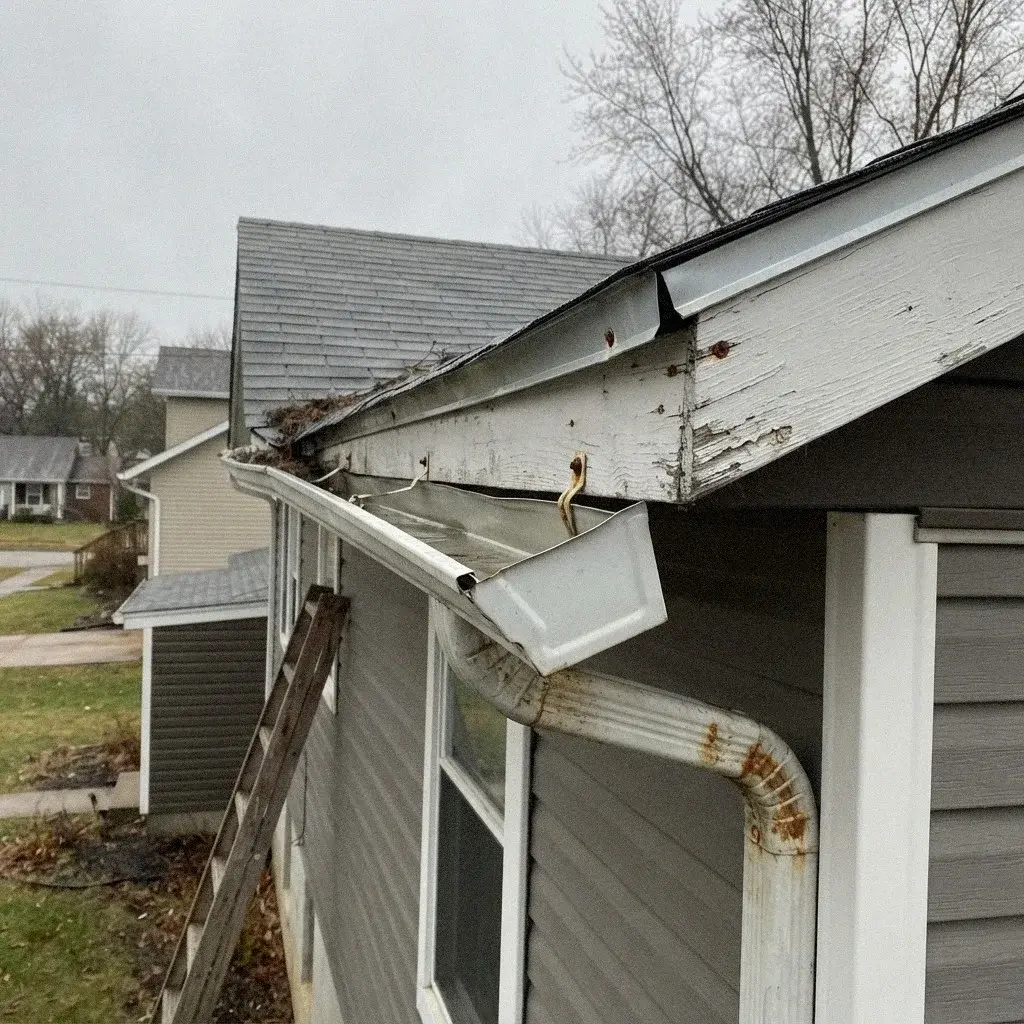
You don't need a ladder to know a roof is in trouble. Shadow lines, streaking, and debris at the gutter outlet tell most of the story from the driveway. Here's what to look for from a Bellevue sidewalk before you call anyone.
Read articleReading about this service is a fine start, but every Bellevue roof wears differently depending on shade, pitch, and age. The details on this page describe what the work generally involves; they cannot tell you whether your roof needs it right now. The licensed pros we connect you with can look at the actual conditions - moss, flashing, gutter runoff - and tell you honestly whether this is the right job or something else is the real problem first.
Call (425) 380-0932