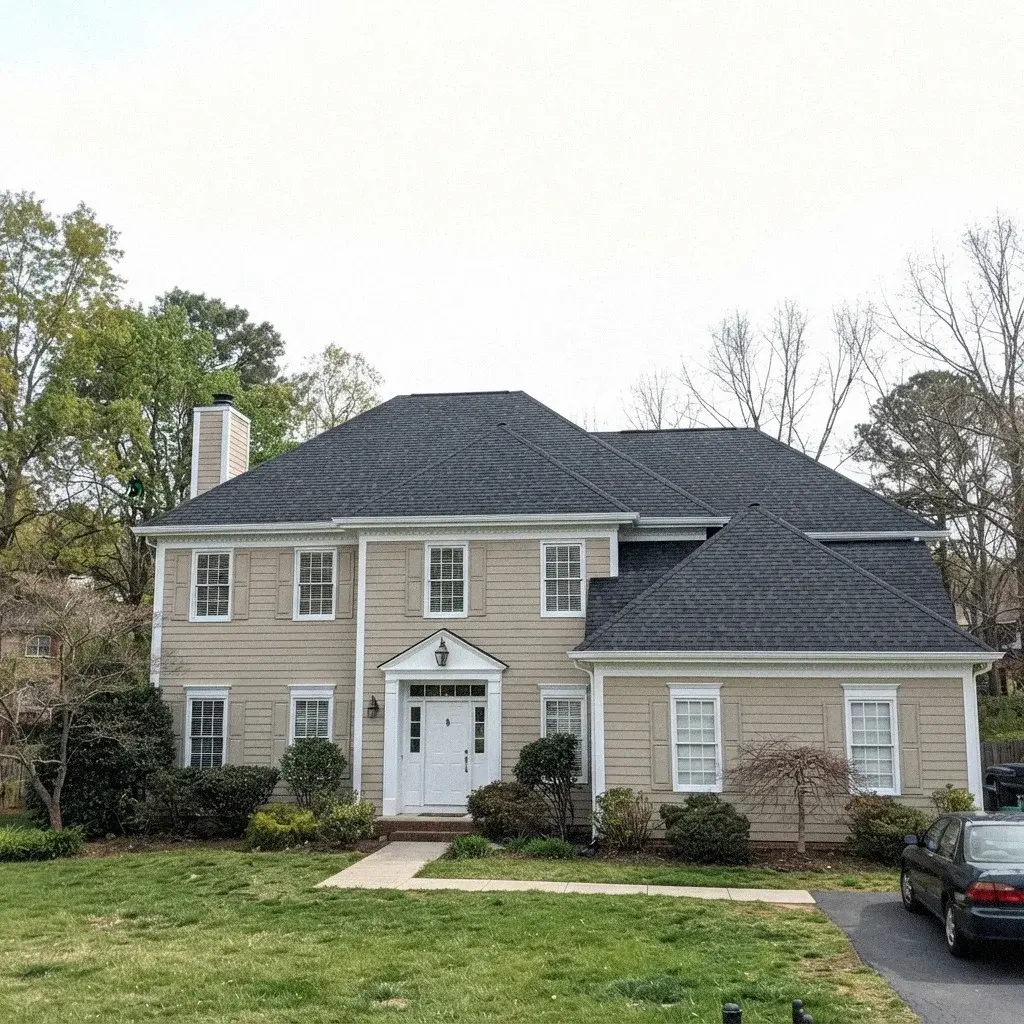
How Roof Warranties Actually Protect Bellevue Homeowners
Material coverage, workmanship coverage, and what voids each one on a Bellevue reroof.
Manufacturer warranties cover shingle defects only, contractor workmanship warranties cover installation errors, and system warranties combine both but require a certified installer and complete matched components. Register on time, keep documentation, and know that most exclusions trace back to ventilation or improper flashing work.
Material Coverage Versus Workmanship Coverage
A roof warranty is really two or three separate promises stacked together, and Bellevue homeowners get into trouble when they assume one covers what only another does. The manufacturer material warranty covers defects in the shingles, underlayment, or membrane itself. The workmanship warranty, issued by the contractor, covers installation errors. A system warranty, when offered, ties both together under one document, usually with conditions attached about who installed the roof.
None of these warranties are interchangeable, and reading the actual document matters more than trusting the sales pitch. A shingle can carry a lifetime material warranty from the manufacturer while the labor to fix a leak caused by bad flashing work near a valley is covered by nobody, because the contractor's workmanship term already expired or was never put in writing. Bellevue's wet season exposes flashing and valley errors quickly, so this gap shows up within a year or two, not decades later.
Extended warranties exist to close that gap, usually by having a certified installer register the job directly with the manufacturer, which extends material coverage and sometimes adds labor and tear-off coverage that the base warranty does not include. These enhanced system warranties cost more upfront and require the installer to meet the manufacturer's certified-installer requirement. A homeowner near Wilburton or Bridle Trails comparing quotes should ask directly which tier is being quoted, not assume the better-sounding name means better coverage.
Prorated Terms And Registration Deadlines
Prorated coverage means the payout for a defect shrinks over time, so a shingle that fails in year eighteen of a thirty-year warranty is worth a fraction of full replacement cost, not the whole roof. Non-prorated coverage holds the payout at full value for a defined period, often the first several years, before it steps down or a lesser prorated schedule takes over. The distinction sounds minor until a claim happens, and it is the single most common reason a homeowner in Bellevue expects a free reroof and gets a partial credit instead.
Manufacturers publish the prorated schedule inside the warranty document, not in the sales brochure, and it varies by product line and by whether the installer was certified. A basic three-tab shingle warranty and a premium designer shingle warranty from the same manufacturer can have completely different non-prorated windows. Anyone holding a warranty on a home in Somerset or Newport Hills should pull the actual document rather than relying on what a salesperson said the coverage period was.
- Manufacturer material warranties cover defects in the shingle, membrane, or metal itself, such as premature cracking or granule loss tied to a production flaw, not damage from moss, poor flashing work, or years of standing water in a clogged valley.
- Workmanship warranties are issued by the installing contractor and cover installation mistakes, such as a misaligned valley or a fastener pattern that lets water track sideways under the flashing and drip edge on a Bellevue home.
- System warranties bundle manufacturer material coverage with an extended labor guarantee, but only apply when every layer, from underlayment to ridge vent, is a matched component from the same manufacturer's approved product line.
- Extended warranties add years beyond the standard term, usually by upgrading the shingle tier or by using a certified installer, and they often raise the non-prorated period length rather than the total warranty length itself.
- Labor and disposal coverage is not automatic. Many material warranties only replace defective shingles, leaving the homeowner to pay for tear-off, disposal, and reinstallation labor unless a system or extended warranty specifically names labor coverage.
- Certified installer requirements mean the contractor completed manufacturer training and is authorized to activate system-level coverage. Without that certification, a homeowner may only qualify for the base material warranty, even if every component matches.
Transfer On Sale And Transfer Fees
Warranty registration is the step that turns a generic manufacturer promise into an enforceable one tied to a specific address and installer. Most manufacturers require registration within a set window after installation, and missing that deadline can reduce coverage to a shorter standard term or void the enhanced tier entirely. The paperwork usually needs the installer's certification number, the product batch or lot information, and the completion date, which is why documentation of installation matters as much as the roof itself.
Transferability lets a warranty pass to a new owner when a house sells, which matters in a market like Bellevue where homes near Enatai or Clyde Hill change hands regularly and a roof with eight years left on a material warranty is a real selling point. Most manufacturers allow one transfer, often within a limited window after the sale closes, and many charge a transfer fee and require notification in writing. A warranty that was never registered in the first place usually cannot be transferred, because there is no record to transfer.
- Warranty registration usually has a strict deadline, often 30 to 60 days after installation, and missing it can reduce coverage to a shorter default term or void enhanced system coverage entirely, regardless of installer certification.
- Transferability lets a new owner inherit remaining coverage after a home sale, but it typically requires a written request and a transfer fee submitted within a set window, and some system warranties do not transfer at all.
- Common exclusions include storm-driven tree limb impact, foot traffic damage, improper attic ventilation installed after the roof went on, and moss or debris left to sit against shingles instead of being cleared as routine maintenance.
- Voiding conditions often include unauthorized repairs by another contractor, adding solar mounts or antennas without manufacturer approval, or pressure washing that strips the granule layer protecting the shingle mat.
Exclusions And Voiding Conditions
Labor and disposal coverage is the part homeowners assume is automatic and often is not. A standard manufacturer material warranty typically pays for replacement shingles or membrane but not the cost of removing the old roof, disposing of it, or paying a crew to install the replacement. That gap is exactly what extended and system warranties are built to close, bundling labor and tear-off coverage into the same claim so a defect does not turn into a five-figure out-of-pocket cost on top of the free materials.
Complete system components matter here too. A system warranty from a shingle manufacturer usually requires that the underlayment, starter strip, hip and ridge caps, and ventilation components all come from the same manufacturer's approved list. Mixing in a competitor's ridge vent or a generic underlayment to save money on a job in Factoria or Lake Hills can quietly void the system-level coverage even though the field shingles themselves are installed correctly.
| Warranty Type | What It Covers | Typical Term |
|---|---|---|
| Manufacturer material warranty | Defective shingles or membrane only | Labor usually excluded unless upgraded |
| Contractor workmanship warranty | Installation errors, leaks from install | Tied to contractor staying in business |
| Enhanced system warranty | Materials plus labor, full system | Requires certified installer, full system |
| Prorated coverage period | Payout shrinks as roof ages | Follows initial non-prorated years |
| Non-prorated period | Full replacement value if it fails | Usually the first several years only |
What the Warranty Does Not Cover
Exclusions are where most warranty disputes start, and they are fairly consistent across manufacturers. Damage from tree limbs, improper attic ventilation, standing water, foot traffic, or work by anyone other than the original or a certified installer is typically excluded outright. Given how many Bellevue lots sit under mature trees near Mercer Slough or the greenbelts around Cougar Mountain, limb damage is a real and recurring exclusion here, not a hypothetical one buried in fine print.
Certain actions void coverage regardless of installer. Walking on the roof improperly, pressure washing shingles, unpermitted alterations, or installing solar mounts without the manufacturer's approved flashing kit are common triggers. Some manufacturers void coverage if the homeowner or another contractor performs repairs during the warranty period without authorization first. Others require notification before any modification. Reading the exclusions list in Bellevue before canceling other coverage, adding solar, or hiring a second contractor for repairs on a Bellevue home avoids discovering after a leak that the warranty no longer applies.
Filing and Documenting a Claim
Filing a claim starts with documentation, and the homeowner who kept records has a far easier time than the one who did not. That means the original invoice, the warranty registration confirmation, photos from the installation, and any product labels or batch numbers from the job. The certified installer of record is often the one who has to initiate contact with the manufacturer, since many system warranties route claims through the installer rather than allowing a direct homeowner filing.
The manufacturer or its inspector then reviews the documentation, sometimes with a site visit, to determine whether the failure is a covered defect or falls under an exclusion like ventilation, foot traffic, or storm-driven limb damage. Claims tied to system warranties move faster when the installer kept dated photos of the tear-off, deck condition, and component installation, since that documentation is what separates a manufacturing defect from an installation issue. Homeowners anywhere from Woodinville to Newcastle run into the same review process, because the manufacturer's claim standards do not change by neighborhood.
Warranty Types at a Glance
- A manufacturer material warranty covers product defects only, not installation errors, moss damage, or clogged valleys near features like the Wilburton Trestle area's older housing stock.
- Registering the roof with the manufacturer within the required window after a Bellevue reroof is what actually activates full material coverage; skipping registration can quietly limit a claim to a shorter, minimal warranty term.
- Non-prorated coverage pays full replacement value for a set term; prorated coverage after that term reduces payout based on roof age at claim time.
- Registration deadlines often run 30 to 60 days post-installation, and missing that window can drop coverage to a shorter default term.
- Transfer on sale usually requires written notice and a fee within a defined window after closing, and some system warranties are non-transferable.
- Claims require documentation of installation, including product model, install date, and contractor registration details, submitted directly to the manufacturer or contractor.
Frequently Asked Questions
Does a new roof warranty transfer if I sell my house?
No. A manufacturer material warranty and a contractor workmanship warranty are separate documents from separate parties, and neither one substitutes for the other. The material warranty covers product defects; the workmanship warranty, if the contractor offers one, covers installation errors. A Bellevue homeowner should get both in writing and keep the actual documents rather than relying on verbal assurances from either party.
What voids a manufacturer roof warranty?
In Bellevue, workmanship warranties matter more than material warranties because moss, clogged valleys, and failed flashing cause most roof failures here, not shingle defects. A manufacturer warranty covers a bad shingle batch. It will not cover a valley that was flashed wrong or a vent that was never installed, which is where most local claims actually originate.
Do I need to register my roof warranty myself?
Non-prorated periods pay full replacement cost for materials and sometimes labor for a set number of years. After that, prorated coverage reduces the payout based on the roof's age, so a claim filed near the end of a term might only recover a fraction of material cost. Read the term length before assuming full coverage applies.
Does a roof warranty cover labor and tear-off costs?
Most manufacturer and system warranties transfer to a new owner if the seller files a transfer request within a set window after closing, often with a transfer fee. Missing that window can void transferability entirely, which matters in Bellevue's resale market where roof age is a standard inspection item.
What's the difference between workmanship and material warranties?
Common voiding actions include unapproved repairs, improper ventilation, pressure washing that strips granules, or letting moss and debris sit against shingles for extended periods. In Bellevue, unaddressed moss buildup is the most frequent cause of a denied claim, since it's treated as a maintenance failure rather than a material defect.
Want Help Reading Your Roof Warranty?
Compare warranty terms before you sign in Bellevue: registration deadlines, prorated coverage, and what voids protection matter as much as price.
Call (425) 380-0932