A reroof in Bellevue is not just a materials job, it is a timing job. Between the tear-off and the final course, the deck sits open to whatever the sky is doing that day. Warm, dry stretches let each layer go down the way it is meant to, from underlayment to the finished surface. Homeowners near Bellevue Way or up in Somerset often ask why contractors push for summer dates, and the honest answer is that the weather itself is part of how the roof gets built.
What Dry Weather Does for Bonding
Composition shingles carry a sealant strip that needs warmth to activate and press down against the course below it. In cooler, damp conditions that bond forms slowly or unevenly, leaving shingles more likely to lift in a later windstorm. Sun and steady air temperature give that strip the heat it needs to set properly the same day it is installed. It is a small detail, but it is the difference between shingles that lock together and ones that stay loose at the edges.
Why an Open Deck Needs Dry Air
Once the old roofing comes off, the deck is exposed plywood or sheathing with nothing between it and the weather. A sudden downpour during tear-off can soak that deck before dry-in is complete, and wet sheathing does not accept new roofing well. Dry conditions let crews strip, inspect, and cover a section the same day instead of racing weather or tarping overnight. That single-day turnaround is one reason a dry stretch matters more than most homeowners expect going in.
Bellevue's Short Dry Window
Bellevue does not get a long dry season. The reliable stretch runs roughly from June through September, with July typically the driest month of the year. Outside that window, the region settles into long overcast periods that keep surfaces damp for days at a time, which is a poor setup for thermal sealing. That narrow calendar is exactly why the weeks inside it get booked early rather than treated as open availability.
How the Weather Window Shapes Scheduling
Because good tear-off weather is limited, every roofing crew in the area is trying to work the same months. That creates a scheduling backlog well before summer actually starts, with June and July filling first and August and September going next. Homeowners near Crossroads or out toward Factoria who wait until a leak shows up in May are often looking at a wait for a dry-season slot rather than a same-week start.
What Peak Season Looks Like Locally
Peak season crew availability in Bellevue tightens fastest for larger single-family tear-offs, since those jobs take longer to open, dry in, and close than a small recover. Crews juggling multiple open decks at once have to sequence carefully, so a homeowner calling in April or early May usually lands a better date range than one calling in June. The gap between those two calls can be several weeks of waiting.
Lead Time Worth Planning Around
Lead time for a reroof is rarely just about ordering shingles. It includes an inspection visit, a written estimate, and then finding an open slot in a crew's calendar that lines up with dry weather. Booking in late winter or early spring, before the shoulder season crowds in, gives a homeowner more say over which weeks the work happens. Waiting until the deck is already leaking removes most of that choice.
Shoulder Season Trade-Offs
Late spring and early fall function as shoulder seasons, with drier stretches mixed among wetter ones. Work can still get done then, but crews watch the forecast more closely and may need to pause a tear-off if rain moves in faster than expected. It is workable, just less predictable than the core summer months, and it usually means a shorter list of open dates than high summer offers.
Staging and Site Access in Dry Weather
Dry weather also makes staging simpler. Dumpster placement, material stacking, and ladder access all go smoother on a dry driveway or lawn than on saturated ground that can rut or become a hazard. On lots near Kelsey Creek or other low-lying areas with softer soil, a wet site can slow the whole job down before a single shingle comes off. Firm, dry ground keeps the work moving at the pace it is planned for.
Why Booking Early Pays Off
Booking early buys flexibility that late callers do not get. A homeowner in Bridle Trails or along Coal Creek Parkway who reaches out in April can often choose a specific week and keep the deck open only as long as needed before dry-in. Wait until late July and the same job may land on whatever date is left, sometimes past the reliable weather window. Scheduling backlog builds fast once the season starts, so the calendar, not the roof condition, ends up deciding when work happens.
Signs It Is Time to Plan Ahead
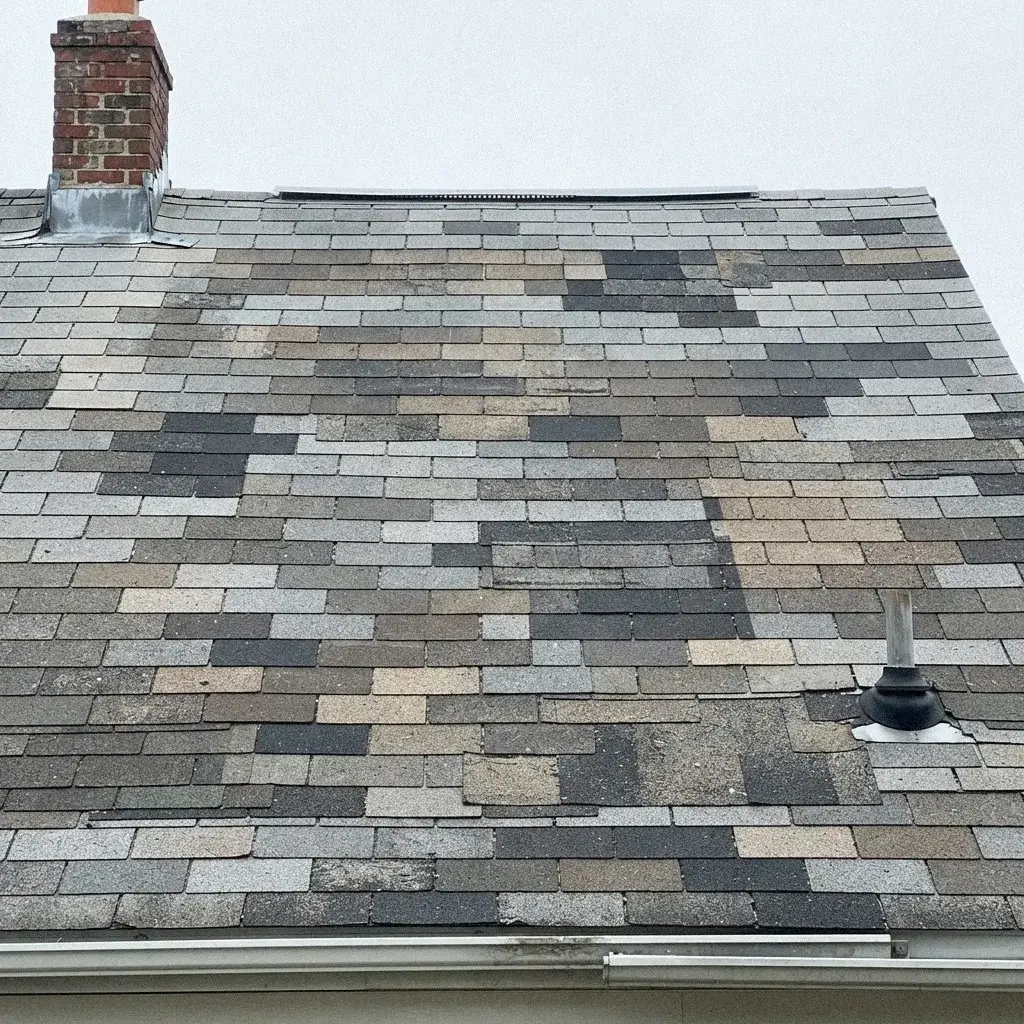
Granule loss in the gutters, moss holding water along a north-facing slope, or a roof already past its expected years are all signs worth acting on before the dry window opens rather than during it. None of those signs demand an immediate emergency response, but they are reasons to get an inspection scheduled while there is still room on a crew's calendar. Acting in late winter avoids competing with everyone else in June.
Getting a Head Start on the Season
There's a practical middle ground between rushing a decision and waiting too long. Homeowners near Somerset or the Lake Hills Greenbelt who notice curling shingles or moss buildup in early spring have time to get quotes, compare timelines, and lock in a slot before the weather window narrows. Waiting until a leak shows up during the wet season means competing for whatever crew availability remains, often at the tail end of shoulder season when conditions are already turning against a clean tear-off and dry-in.
Dealing with this in your home?
Bellevue roofs age on their own schedule. Wooded lots near Bridle Trails and Somerset stay shaded long after storms pass, and conifer cover keeps surfaces from ever fully drying between fronts. Add a reroof window that tightens once summer ends, and small maintenance calls turn urgent fast. The sections below sort out timing, materials, and who actually answers for the work overhead.