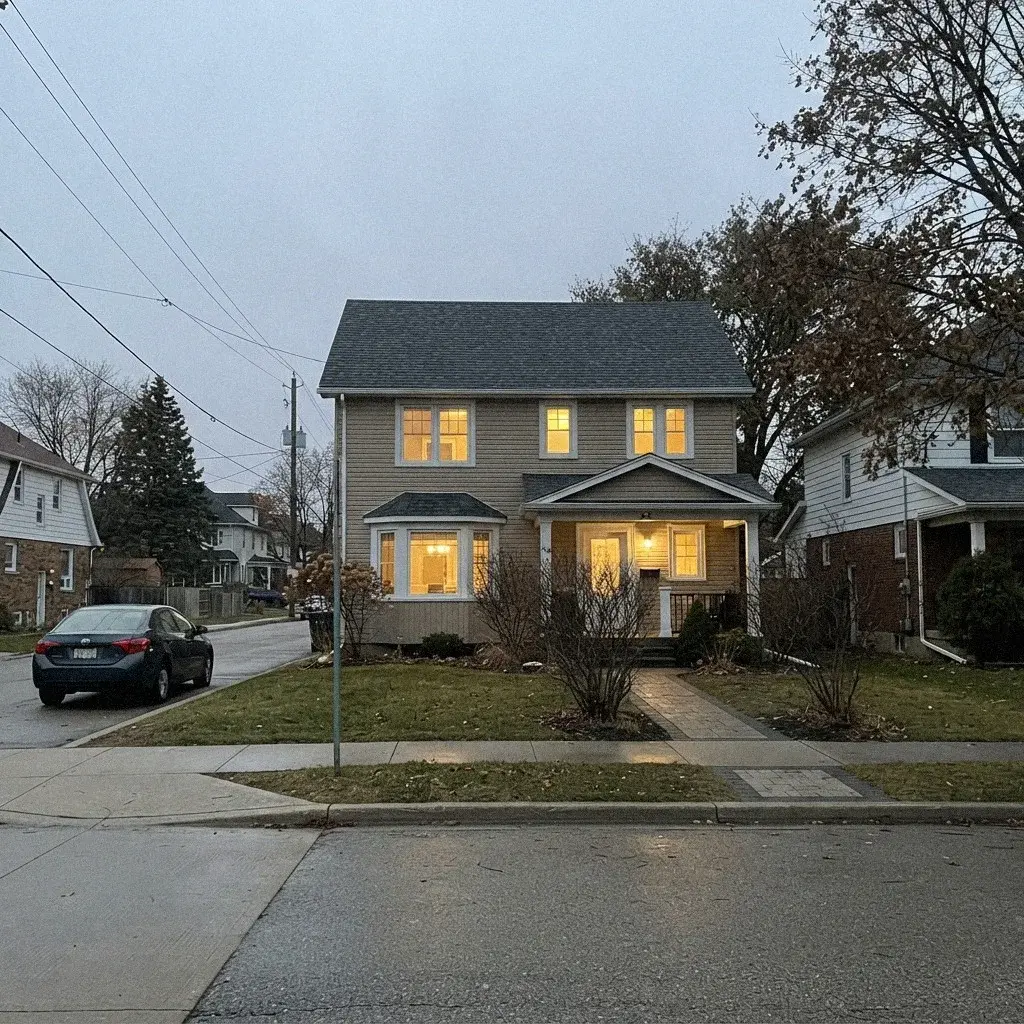
A cedar shake roof in Bellevue is not a set-and-forget covering the way composition shingle often is. Shakes are wood, and wood shrinks, swells, and moves with every wet stretch and dry spell the year brings. Owners who inherit a shake roof on a Bellevue home, whether near Bridle Trails or out toward Somerset, are taking on a material that rewards attention and punishes neglect in ways asphalt simply does not.
Hand-Split Versus Taper-Sawn
Not all cedar shake is the same. Hand-split shake is riven from the log, leaving a rougher, more irregular face and thicker, uneven edges. Taper-sawn shake is sawn on both sides, giving a smoother, more uniform look and a consistent butt thickness. The two behave differently on a roof: hand-split shake tends to shed water at slightly different rates across its irregular surface, while taper-sawn shake lays flatter and more predictably. Either way, both are shake, not shingle, and both need to be treated as a system rather than individual pieces.
Why Keyways Matter
Shakes are installed with small gaps, called keyways, between adjacent pieces in the same course. That gap lets the wood expand when it absorbs moisture without buckling the piece next to it. On a Bellevue roof, where the wet season keeps shakes damp for long stretches, keyways that have closed up from swelling, or widened too far from shrinkage, change how water moves across the roof. A roof that looks intact from the ground can have keyway problems that only show up on close inspection.
Spaced Sheathing And Airflow
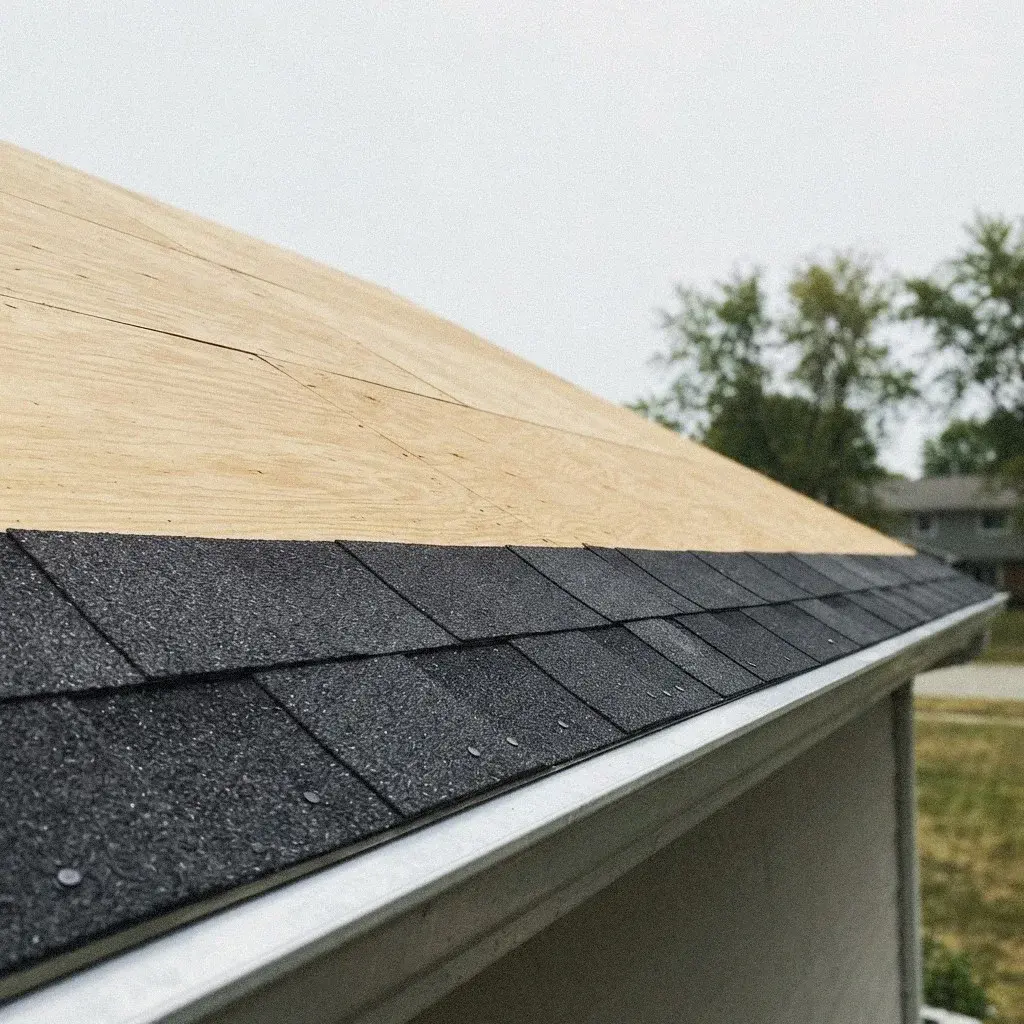
Most older cedar shake roofs in Bellevue sit on spaced sheathing, sometimes called skip sheathing, rather than the solid plywood decking used under composition shingle today. The gaps between boards let air move underneath the shakes, which helps them dry out between rains. That airflow is not incidental. A shake roof that stays wet against solid decking, without that ventilation, holds moisture longer and breaks down faster. Owners converting to a different material later need to account for this difference in the deck itself.
Felt Interlayment Explained
Many shake roofs include felt interlayment, a strip of roofing felt woven between each course of shakes rather than laid flat underneath the whole roof. The felt is stepped back from the exposed edge so it stays hidden, and it adds a secondary barrier against wind-driven rain working its way up under a shake. On a Bellevue roof exposed to weeks of overcast, wet weather, felt interlayment that has deteriorated or was installed incorrectly can let water past long before the shakes themselves look damaged.
What Cupping Looks Like
Cupping is when a shake's edges curl upward while the center stays flatter, usually from the top face drying faster than the underside after repeated wetting. A cupped shake still sheds most water, but it lifts at the edges, giving wind and driving rain more places to catch. On a walk around a Bellevue home, cupping often shows up first on the south or west-facing slopes, where sun exposure between rain events is strongest. Isolated cupping is common and often not urgent by itself.
Splitting Along The Grain
Splitting happens when a shake cracks along its grain, usually running with the length of the piece rather than across it. This can come from age, from a knot in the wood, or from repeated swelling and shrinking that finally opens a seam. A single split shake is rarely a crisis, since the piece below usually still blocks water, but a cluster of split shakes in one area, especially near a valley or penetration, is a sign that section is due for closer attention.
Checking Versus Splitting
Checking is a shallower, more surface-level version of splitting: fine cracks that run with the grain but don't go all the way through the shake. Some checking is normal on cedar and does not mean the shake has failed. Owners sometimes confuse checking with splitting and assume a roof needs work sooner than it does. The distinction matters because checked shakes can often be left alone, while fully split shakes in a cluster are the ones worth having a roofer look at directly.
Grade And Butt Thickness
Shake grade and butt thickness were decided the day the roof went on, and they still affect how it ages now. A higher grade with a thicker butt sheds water longer and resists splitting better than a thinner, lower-grade shake. Some older Bellevue homes were roofed with treated shake, which carries a fire retardant or preservative treatment; that treatment wears down over decades and does not renew itself, so a treated shake roof from decades back is not necessarily still performing as treated.
When Individual Repair Works
Individual shake replacement is a normal, ordinary repair. A roofer splits out the damaged piece, slides in a new one, and secures it without disturbing the surrounding courses. This works well when the damage is scattered: a handful of split or badly cupped shakes across an otherwise sound roof. It does not work as a strategy when the deterioration is widespread, because at that point the underlying felt interlayment and sheathing are usually showing their age too, not just the visible shakes.
When Repair Stops Making Sense
Repair stops being the right call when splitting, cupping, and checking show up across most of the roof rather than in isolated spots, or when the felt interlayment has failed broadly enough that water is getting past shakes that still look fine on the surface. At that point, an owner is patching a roof that is failing as a whole rather than fixing a few weak spots. A Bellevue home with a shake roof from the 1970s or 1980s is a reasonable candidate to be at or near that point now.
What Neglect Actually Costs
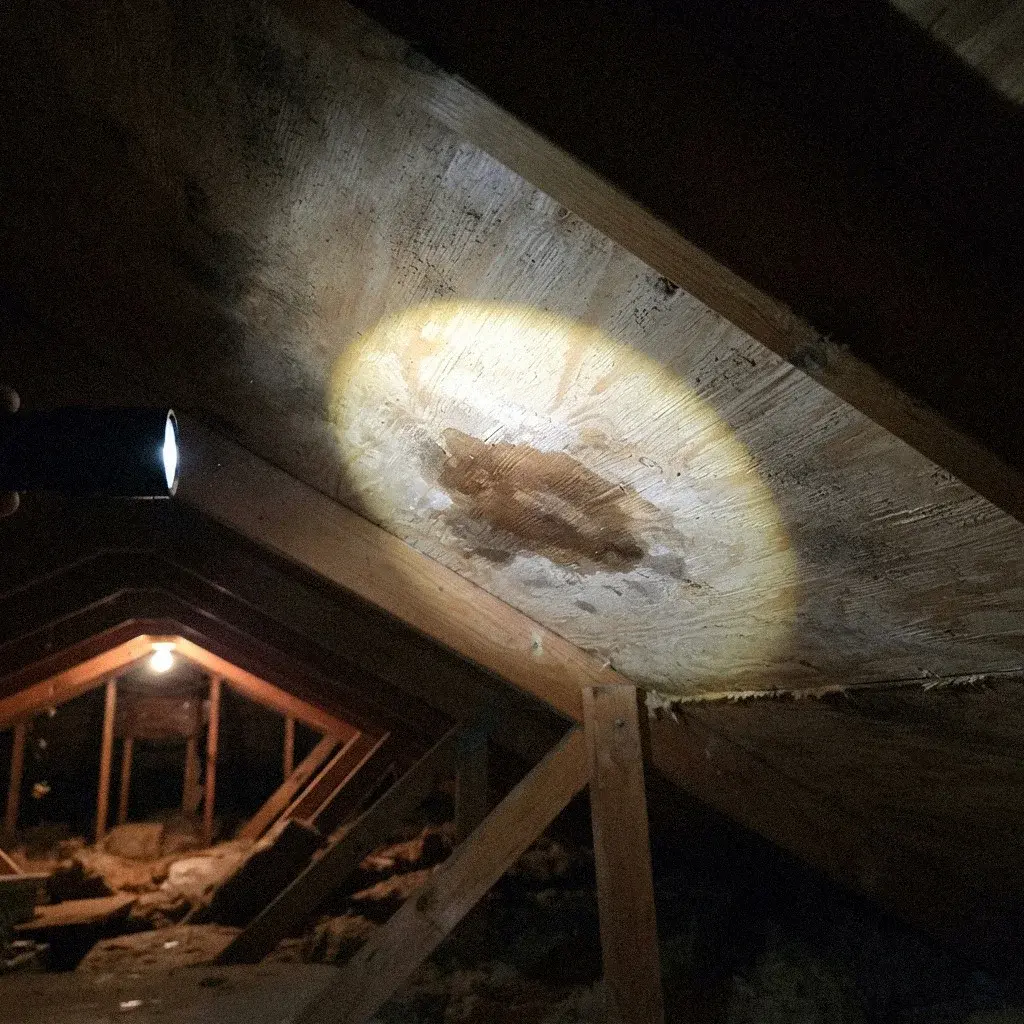
A neglected shake roof does not fail all at once. It loses pieces gradually, and each missing or badly split shake exposes the felt interlayment and sheathing underneath to more direct weather. In Bellevue's wet season, that exposure adds up fast: sheathing that stays damp too long can start to soften, and that turns a shake problem into a decking problem. Catching cupping and splitting early, before it spreads, is what keeps a repair a repair instead of a full tear-off.
Dealing with this in your home?
Bellevue roofs age on their own schedule. Wooded lots near Bridle Trails and Somerset stay shaded long after storms pass, and conifer cover keeps surfaces from ever fully drying between fronts. Add a reroof window that tightens once summer ends, and small maintenance calls turn urgent fast. The sections below sort out timing, materials, and who actually answers for the work overhead.